




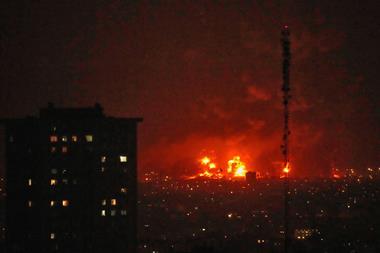
Growers have warned that they will be forced to stop production in the face of rising energy prices due to the war in Iran.
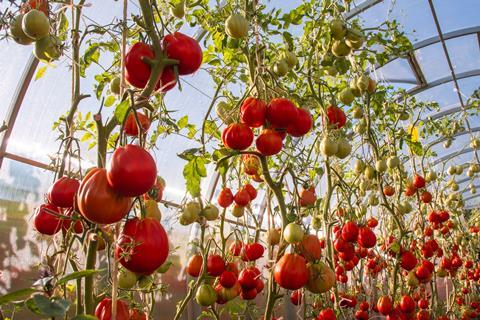
Two major glasshouse grower associations have warned their growers are preparing to either end the season early or “turn the boiler off” in greenhouses, unless soaring energy costs come down soon.
British Tomato Growers Association chair Simon Conway this week warned the “sharp escalation in wholesale gas and electricity prices – driven in part by global market turbulence linked to the Iran conflict – had created a deeply unstable operating environment”.
Growers are preparing to shorten the production season in the UK, seeking to import from abroad to maintain supply commitments, and are approaching retailers early to request pricing negotiations, which could mean inflationary impacts could hit consumers sooner than expected, Conway explained.
He added that while many growers had hedged their contracts until the end of March, beyond that “they face exposure to the highly unpredictable market”.
The warnings were echoed by Lee Stiles, secretary of the Lea Valley Growers Association, who said: “The increases in gas prices will push up the cost of production, leaving growers with a choice of either ending the season or turning off the boiler, which would drastically reduce the yield.
“One guarantee, much like the situation in 2023 [when energy prices had spiked due to the war in Ukraine] is the growers cannot afford to subsidise the increase in production costs this year.”
Read more: Oil price chaos means choppy waters become a maelstrom
He added that “simply buying more fresh produce from further afield is not a sustainable strategy when supply routes are disrupted”, especially as there will be increased demand from countries with “easier logistical travel who are prepared to pay more affect the availability of produce to the UK”.
He called for support from supermarkets “if they wish to enjoy a consistent supply of home-grown British vegetables”, but said that many were “price-obsessed and prefer a lack of stock to paying a higher price”.
A long-term impact
Should the situation continue, Conway warned that “longer-term production planning becomes extremely challenging”. He called out “serious risks” including investment delays or cancellations, reduced domestic output and the potential cessation of production for some businesses.
He added that energy was only one part of the picture, pointing to disruptions affecting fertiliser, fuel and transport, materials and inputs and labour availability.
”Each of these factors amplifies the others, creating a cumulative pressure that threatens both short‑term viability and long‑term resilience,” said Conway.
There have already been concerns raised by the sector over a surge in energy standing charges, which are expected to increase by 60%-80% from 1 April, and an additional 60% by 2030.
Conway said the Iranian situation “creates a double-hit: higher baseline costs and higher variable costs, with no clear visibility on when either might stabilise”.
“Lessons have not been learned by policymakers following the empty supermarket shelves of 2023,” said Stiles. “In fact, they have made the situation worse for British growers by increasing standing charges, employers’ national insurance and workers’ rights.”
Read more:
-
Declining food production must end now, NFU says
-
New planning rule proposals risk undermining food security, expert warns
-
Defra currently without strategy, Efra committee chair warns
It comes as the NFU met with Defra secretary of state Emma Reynolds and farming minister Angela Eagle on Wednesday to discuss the UK’s food resilience.
NFU president Tom Bradshaw told the government that fuel and fertiliser prices had already been affected and relayed particular issues with a lack of transparency over the pricing of these critical inputs.
“It’s clear that transparency and fairness over fuel and fertiliser prices is critical, and we’ve been asking for this for a long time, regardless of market volatility,” said Bradshaw. “It’s particularly urgent as farmers and growers are busy getting crops in the ground and boosting grass growth ahead of spring grazing.”
He added that some farmers were only being told of pricing after delivery “making it difficult to decline or challenge the price”.
Bradshaw said that the situation was a “sobering reminder of the need to build resilience in UK farming” so that the sector can withstand global shocks.
“This is also about long-term solutions,” he said. “We’ve already seen this situation play out with the Russian invasion of Ukraine, which drove an ongoing cost of living crisis here. And, with the removal of farm support, which added a layer of resilience for many farm businesses, farmers are more exposed than ever to global markets.
“We need to find ways to prevent UK farm businesses becoming collateral damage to global politics.”





No comments yet