



It’s been another busy week on The Grocer.
The biggest news story has been the Waitrose PR nightmare that’s followed its decision to fire an autistic volunteer when, after years of ‘voluntary’ work, his mother asked if he could be paid. It’s not a good look when a supermarket known for its partnership treats a worker (let alone a vulnerable worker) in this Dickensian way, but the road to hell is paved with good intentions, and we explored the nuances of the case in an excellent piece from our social justice warrior (and features editor) Dene Mullen. It’s a story that continues to receive national airtime, and it appears to have a happy ending, with Asda winning PR plaudits after stepping in to offer the young man a job. We’re also hearing that Waitrose has offered poor Tom his job back. What will happen next?
Also shocking was the revelation that more than 100 convenience stores have been found to be buying items stolen from supermarkets and reselling them at discounted prices. It’s the subject of my leader in which I argue that sadly not all convenience stores are innocent victims of retail crime
On the M&A side we revealed that Roberts Bakery owed creditors £40m when it went into administration earlier this month.
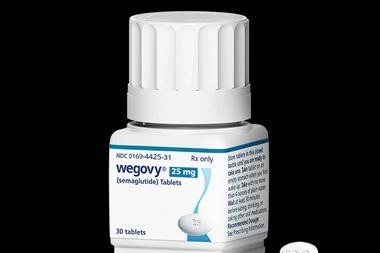
The most intriguing deal of the week was vaping specialist Supreme’s continued its diversification with the £20m acquisition of Slimfast. The owners, who acquired Typhoo a few months back, see this as a potential GLP-1 play. But it’s extraordinary to think that 20 years ago Unilever spent £2bn to buy Slimfast.
Talking of Unilever, the spin-off of its Magnum Ice Cream division has been delayed due to the US government shutdown. Unilever did at least post strong third quarter results. Also on the IPO front Princes announced that it was targeting a £1.2bn flotation price in its imminent listing.
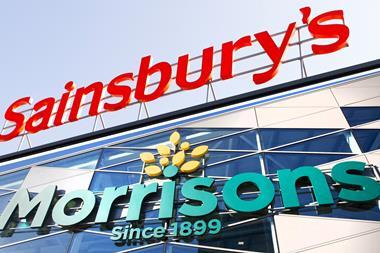
We’ve also explored the ‘Icelandification’ of Morrisons and other strategic moves group trading director Andrew Staniland has delivered since his return to Bradford following a successful spell at the frozen discounter. Are they working? The sense is: it’s still early days.
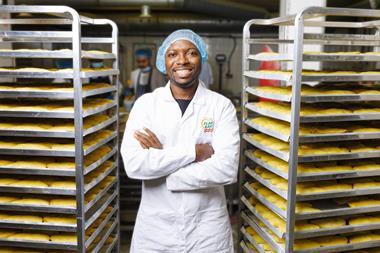
In case you’ve not noticed, it was World Food Day earlier this month. And this week’s magazine has a major focus on world foods. Our category report looks at new developments in world cuisine. There’s also a Big Interview with Surya Foods CEO Harry Dulai. It’s not a particularly well-known business but it’s behind some of the hottest world food brands in the UK, quite literally in the case of its Thai Dragon sriracha, which has become a household name and a Gen Z favourite.
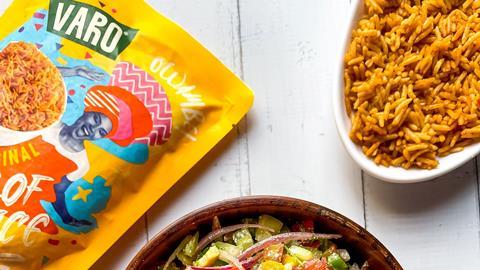
And what with October being Black History Month too we’ve used the opportunity to explore why African food hasn’t benefited yet from the boom in world foods. As the piece notes, VeeTee and Tropical Sun have dipped a toe into the waters of African cuisine with the launch of jollof rice SKUs in the past year or two, but most shoppers are completely oblivious of the joys of moi moi, fufu, akara or waakye.
In terms of the annual calendar of events, Halloween isn’t far away. And we’ve published our first ever Halloween Grocer 33 price comparison survey. You can click here to find out who won!
And once Halloween is out the way the next date in the diary is Christmas – and more immediately the annual advertising extravaganza of the supermarket Christmas ads. But this year new HFSS advertising restrictions have clipped the creative wings. And Lidl CEO Ryan McDonnell talked frankly to us about the cautious approach it’s taking and the need for trial and error given the vagaries of the legislation.
Talking of politics, our Focus On Wales is well timed. With change brewing as next May’s general election approaches, the signs bode ill for the Labour government. But one area where policymakers are still wildly successful is in international trade: Wales’ food and drink exports hit a record £839m in 2024. We speak with Wales’ deputy first minister, Huw Irranca-Davies, about the “astonishing” performance of the Welsh food and drink sector and read the tea leaves for 2026. What might the future hold for the country’s food and drink sector after next year’s crucial election?
And finally, if you’re reading this after 5pm when the embargo lifts, we’ve reported on the “dereliction of duty” of the Department of Health for failing to act in the 10 years since a shock WHO report linking nitrites in processed meat to cancer after four of the authors wrote to health secretary Wes Streeting.
The letter raises a further question over whether supermarkets and suppliers have been proactive enough. Of course we’ve seen the development of Finnebrogue’s Naked bacon and similar products, but has the industry done enough?
But what do you think? We would love to hear from you.
In fact we would love to know your thoughts on all of our stories. Or is there anything we’ve missed? We’re all ears! Get in touch via LinkedIn or adam.leyland@thegrocer.co.uk.





No comments yet