Oh no, not another opinion piece about the upcoming HFSS ad ban. Well, yes actually, and I’m not even sorry.
Assuming we don’t hit another ‘surprise’ delay, 5 January 2026 will (finally) see brands banned from advertising unhealthy foods on TV before the 9pm watershed or online at all. As defined by 2018’s nutrient profiling model, the list of ‘less healthy foods’ (LHF) includes obvious culprits like chocolate, crisps and sweets, as well as some less obvious ones, such as (checks notes) pitta bread and porridge.
So, yes, there are undoubtedly some issues with the LHF definition (which is being reclassified next year and could arguably become even more problematic). But that’s not today’s bone of contention. So here it goes, hard hat time. I don’t think the HFSS ad ban goes far enough.
We know extensive lobbying from major food brands has led to significant delays and watering down of the legislation, and yes, it comes at an eye-watering cost to the food and drink industry. So before I get cancelled for crimes against the grocery sector, let me explain.
A healthy, sustainable diet
Our health coverage has been exemplary this year; Ian Quinn has never worked so hard. We ran our first ever health week in June and it was a triumph in every way – except perhaps for the number of less-than-triumphant news stories we ran about the nation’s diet.
As we reported at the time, the National Diet and Nutrition Survey results showed an alarming decline in fruit & veg consumption, while multiple threats (and opportunities) have arisen from both an increase in GLP-1 weight-loss drugs and a growing consumer awareness of what UPF really means.
But perhaps most significant of all was the government’s 10-year NHS Health Plan. Announced in July, Wes Streeting’s plans were a game-changer for the grocery sector as the government looked to shift its focus from treatment to prevention. Making healthier choices more accessible meant introducing initiatives like mandatory reporting and healthy food sales targets. This emphasis on food industry accountability has been broadly welcomed, with supermarkets introducing their own healthy eating campaigns.
With so much focus on the wider importance of a healthy, sustainable diet, why, then, do some brands seem to think the rules just don’t apply to them?
In anticipation of the ban, some food brands have spent a decent chunk of change on reformulating their products to reduce the salt, sugar or fat content. We’ve even recognised those efforts in the Grocer Gold Awards. But others – acting much less in the spirit of things – have simply increased their ad spend elsewhere.
Coming soon to a bus stop near you
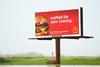
According to last week’s State of the Nation report from the Food Foundation, junk food spend on OOH advertising (that’s billboards, bus stops and other outdoor adverts) has increased by 28% since the HFSS ad ban was first announced in 2021.
McDonald’s is the biggest offender – it has increased the amount it spends on OOH by 71% in that four-year period – although Unilever, PepsiCo, The Coca-Cola Company, Mars and Mondelez International also featured in the list of the top 20 biggest OOH spenders.
“These findings show how quickly companies change their behaviour when regulation is announced, which is exactly what we want when policies are well designed, but a serious problem when there are gaping loopholes,” says Katharine Jenner, executive director for the Obesity Health Alliance.
“Outdoor advertising exploded after the government signalled restrictions on TV and online, with fast food giants simply shifting their spend to unregulated spaces.”
A child walking home from school will now, arguably, see more adverts for unhealthy food on that journey than they would have done four years ago. This is not progress. Can we really, in all good conscience, say the industry is doing everything it can to protect young people from junk food marketing?
The final word goes to Jomi, a youth activist with BiteBack, who points out that over a third of schools have ”at least one junk food advert within a short walk” and ”children living in underserved communities are being especially targeted”.
”Young people’s health is at risk,” he says, “and we’re sick of it.”


No comments yet