





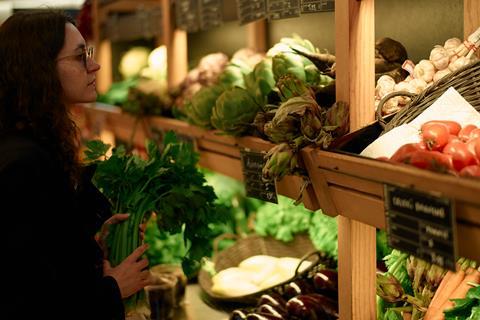
Affordable access to organic fruit & veg for low-income families could boost health and strengthen communities and the economy, research from Sustain has found.
The charity said low-income households could generate £8.78 in social value for every £1 of public investment, matched with £1.10 from shoppers, if connected to produce from small to medium-sized farms.
As revealed in its Bridging the Gap report, which drew on nine pilot schemes across the UK, the returns include £3.11 in better health, £3.94 in stronger communities, £1.44 in local economic growth, and 29p in climate and nature benefits.
This was achieved through closing the price gap on locally grown organic produce and creating steady demand through shops, school meals and voucher schemes. This kept money circulating locally, Sustain found, which secured fair prices for growers and boosted local markets.
The report has set out three priority actions to fix and grow the UK’s fruit, veg and pulse sector, including boosting British production through co-ordinated horitculture strategies and targeted support for small and organic farmers.
Another priority action is to repair the “missing middle”, which would mean investment in local food infrastructure needed to get produce from field to market and the strengthening of supply chain rules.
The final priority action is to improve access by using the state’s £5bn school and hospital food budget to create guaranteed markets for organic and local produce. It should also scale the schemes that help low-income households afford healthy food, according to the report.
“Our broken food system is damaging nature and the environment and failing to provide people with the nutritious food that they need to lead healthy lives,” said Hannah Gibbs, programme manager at Sustain.
“Government must listen to these inspiring solutions and scale them up, by investing in the growth of climate-friendly horticulture, supporting the local small businesses who supply good food and securing a market for nature-friendly produce through public sector food.”
Read more
-
Grower groups unite to launch UK Fruit & Veg Coalition
-
Riverford and farmers call for supply chain regulator overhaul
Sustain pointed to one pilot with the mobile greengrocer Queen of Greens, in Liverpool and Knowsley, often described as a food desert, which has meant 700 people a week now have access to organic produce.
“Good food for all is a right, and it’s interventions like these that can really make the difference to the health and wellbeing of people on low incomes, as well boosting a sense of local community and connection,” said Liverpool MP Ian Byrne.
Environmental benefits were also demonstrated in Aberdeen, where the addition of organic split peas from a local farm to a school meal cut emissions by 42%.
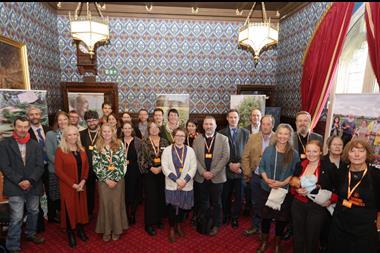
The publication of the report follows the creation of the UK Fruit & Veg Coalition, which includes Sustain and has called on the government to “seize a real opportunity to rebuild the UK’s fruit and vegetable sector across the four nations”.
“Too many people in Britain find fruit & veg either unaffordable or unavailable in their neighbourhood, let alone being able to get produce from a local farm,” said Anna Taylor, CEO of The Food Foundation. “These pilots provide crucial insight into what can be done to change this: insight which is hugely valuable as the government develops its food strategy.”






No comments yet