With collabs ever more frequent, brands hoping to replicate recent successes must beware the pitfalls

Brand collaborations are not exactly a new phenomenon, but we don’t usually see so many at once.

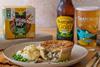
Last week, Little Moons and Candy Kittens responded to fan requests with a sour watermelon mochi; Higgidy and Thatchers launched a cider-infused chicken pie; and German brands Ritter Sport and Haribo teamed up on a chewy milk chocolate bar.

Such a flurry means we could see “an awful lot more” as brands seek to replicate recent successes, says Mark McCulloch, CEO of marketing agency Supersonic Inc.

So, what are the benefits and pitfalls for brands that take the route? And what does a good collaboration look like?

Ritter X Haribo Balla Bites 100g FOP 72dpi

Brand partnerships offer a “ready-made” boost in “equity, audience, value, love and trust”, says McCulloch.

That can be particularly attractive when brands are under pressure to deliver growth and innovation with limited budgets and resources, he adds. Collabs are “relatively low-cost” provided “both brands are working towards similar objectives”.

They are particularly effective for brands that appeal to similar consumers while having relatively little overlap in shoppers, says Gareth Turner, founder of marketing consultancy Big Black Door.

Take Mondelez stablemates Grenade and Oreo, which teamed up to launch a co-branded protein bar in 2023. It helped fuel a 56.5% rise in Grenade revenue that year.

Grenade-Softcore-Creme-Egg-Bar-No Shadow

Mondelez had another go for Easter 2026 with the Grenade Creme Egg Soft Core Bar, which delivered an 87% incremental sales uplift in the 13 weeks to 4 April, says a spokesperson.

Little Moons x Candy Kittens_1_Portrait

In a similar vein, Little Moons and Candy Kittens “merged worlds” by bringing together the former’s TikTok following and the latter’s Instagram audience, says Little Moons head of brand marketing Milly Tuck.

Tuck believes collaborations perform best when consumers feel part of the journey. Hence Little Moons teased the potential Candy Kittens tie-up on social media before it had even been formally agreed, with a video that generated more than a million views. By “bringing them along with the story”, brands can make shoppers “so much more invested”, she says.

Higgidy has experience, having last year teamed up with Guinness on a steak pie. A good collab creates “PR opportunities and buzz by offering shoppers exciting, genuinely new eating occasions and choices,” says Pamela Bower-Nye, Higgidy’s senior brand collabs lead.

Mismatches

But brands must share similar values and community characteristics, says Tuck, while a clumsy mismatch can create “reputational issues or consumer confusion”.

Take Burger King’s short-lived US menu addition of Cheetos Chicken Fries in 2016, described by Business Insider as an “absurd new weapon in the fast food wars” and criticised for a confusing lack of Cheetos flavour in Online reviews.

McCulloch cautions against “forced partnerships” in the rush to join the bandwagon, while Turner warns that retailers could add to the pressure.

Buyers “put a lot of pressure” on brands to always be doing something new and co-branding is a “relatively easy way of delivering”, Turner says.

doritos-loaded-kfc-thumbnail

Doing too many tie-ups also risks creating consumer fatigue. Brands may “dilute their equity” by licensing themselves too widely, says Turner, as consumers begin to see a marketing exercise rather than novelty.

Opportunity lies in continuing to surprise, potentially looking beyond closely linked categories, but in a way that still feels natural for consumers.

One example is Cadbury’s recent collaboration with Australian beauty brand MCoBeauty. The tie-up comprised a chocolate bar filled with hot pink, watermelon-flavoured fondant, alongside a raft of chocolate-themed make-up.

It shows what to aim for: “More unexpected, but still widely accepted,” says Tuck.