



As we prepare to close the book on 2025, it’s worth reflecting on some of the biggest trends and stories to have dominated in the drinks industry this year.
With a growing tax burden, punishing export tariffs and the next cohort of consumers seemingly less interested in getting their buzz on, it has been a challenging time to be a booze supplier. Some brands have navigated these tricky seas with aplomb, while others have made drastic changes to their formulations or business model in order to stay afloat.
Outside of alcohol, functional adult soft drinks continue to grow in stature and can now be considered part of the mainstream grocery fixture. Meanwhile, coffee continues to battle sky-high commodity prices that could soon curtail the category’s momentum.
With all that in mind, here are the drinks stories that set industry tongues wagging this year.
More drinkflation
Since former PM Rishi Sunak shook up alcohol duty in 2023, booze brands have been steadily (and sometimes sneakily) reducing the strength of their products to reduce their tax burden. The ‘drinkflation’ trend is most pronounced within beer, where a reformulation to 3.4% abv or below can result in a major duty saving.
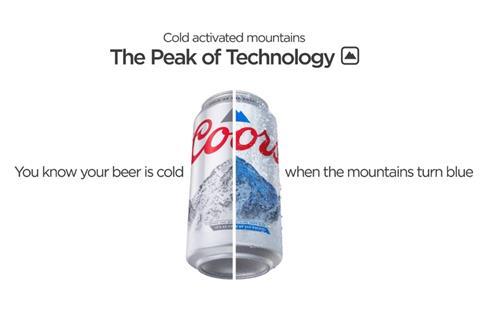
This year, two major mainstream labels joined the drinkflation movement. First came Coors, the Molson Coors-owned brand, which announced in the spring it was cutting the strength of its namesake lager from 4% to 3.4% abv. Like many other brands which have reformulated in recent years, Coors insisted the move was not a cash grab but instead about “offering more choice to consumers”, citing the growing demand for low & no-alcohol brews.
It was a similar story in November, when Heineken revealed its Aussie lager Foster’s was to drop from 3.7% to 3.4% in February 2026. The move, it said, reflected its “commitment to offering a diverse range of beers and ciders that meet evolving consumer preferences”. To give Heineken some credit, the brewer did at least admit the change would allow it to “realise value in its portfolio, allowing customers to benefit from more competitive pricing”.
We’re sure the duty saving will therefore be passed on to customers in full in due course.
Liquid Death’s hasty retreat
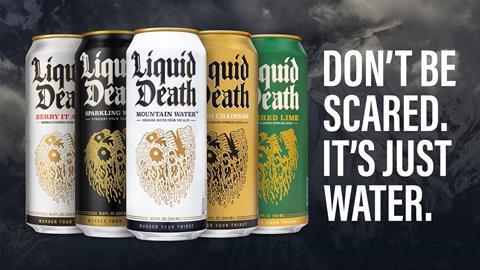
There are few brands – besides BrewDog – that provoke quite as much debate as Liquid Death. According to its evangelical supporters, this disruptive canned water brand has revolutionised a stale category and made a commodity cool again. To its detractors, it is overpriced and its marketing both overzealous and contrived.
Such polarising views made the brand’s decision to exit the UK market in February a major talking point. Its ordinarily outspoken CEO Mike Cessario declined requests for comment, but a Liquid Death spokesperson attributed the decision to the brand shifting production from Austria to the US in 2024.
Perhaps another contributing factor was that – despite significant marketing investment – the brand had failed to make a splash on UK shores. Sales in its first year in grocery amounted to just £2m [NIQ 52 we 7 September 2024], significantly shy of category leaders Evian and Volvic, which brought in £207m and £203m respectively, and UK challengers including Dash Water (£11.0m) and Aqua Carpatica (£10.5m).
Views as to why Liquid Death’s popularity in the US failed to translate over the pond were hugely varied. Some commentators pointed out the cultural differences between the UK and US, while others said Liquid Death’s single, non-resealable cans and high price point were most likely to blame.
One common refrain, however, was that Liquid Death’s anarchic packaging and bold, brash and sometimes shocking marketing tactics were at odds with its product proposition. As one brand and marketing consultant aptly summed up: “It’s just water. What’s so rebellious about that?”
Brewers on the brink
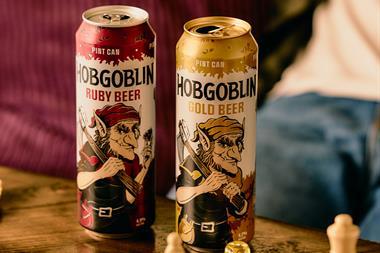
The last few years have not been easy for craft brewers. Rising interest rates, steep raw material inflation and competition from RTDs and adult soft drinks have combined to make trading conditions challenging for independent suppliers. Many have gone to the wall as a result.
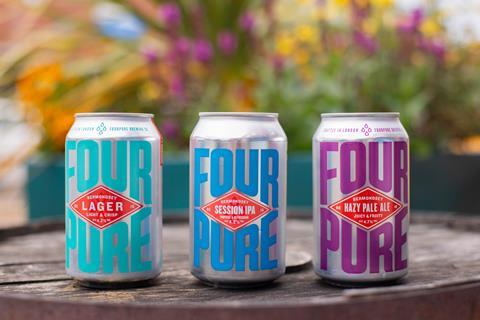
In the space of a week across January and February, Breal-backed Keystone Brewing Group swooped for former brewing darlings Magic Rock and Fourpure, as well as North Brewing. The trio of ailing brands joined a portfolio that already included the likes of Brick Brewery, Brew By Numbers, Purity and Black Sheep.
However, by late November Keystone itself was on the rocks, filing notice of intention to appoint administrators and being touted for sale by restructuring firm FRP. The insolvency specialist had already warned in April that distressed craft brewers were not attractive acquisition targets, casting doubt on the possibility of Breal making a return on its investment.
Other London brewers have also struggled this year. Gipsy Hill will soon move the majority of its production out of the capital to save on costs, while Signature underwent a restructure in the summer as it looked to free itself from historic pandemic debts. The future of Forest Road, meanwhile, remains unclear, after the brand was bought out of administration by existing management in June.
Upheaval at Diageo
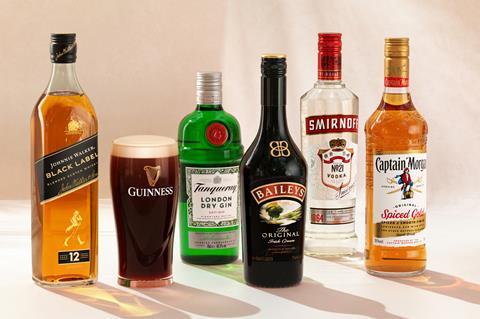
Diageo, the UK’s number one spirits supplier, has scarcely been able to stay out of the headlines in 2025. In February, the Johnnie Walker brand owner scrapped its long-held target of 5% to 7% organic sales growth, citing economic and political uncertainty in many of its key markets, as well as the threat posed by tariffs.
In May, Diageo unveiled plans to reshape its business and deliver around $3bn free cashflow per year from fiscal 2026, supported by an ambitious cost savings programme. The ‘Accelerate’ programme would also involve a portfolio shake-up “above and beyond” smaller-scale disposals seen in recent years, then CFO Nik Jhangiani told investors. However, the only major sale so far has been the widely expected offload of EABL to Japanese brewer Asahi, announced this week.
Shortly before the publication of its full-year annual results in June, Diageo confirmed CEO Debra Crew was to depart the business by mutual consent. Crew had flattered to deceive during a turbulent two years in charge characterised by sharp share price decline and stagnant sales growth.
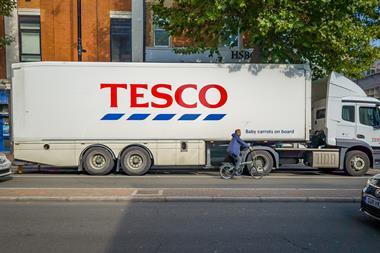
After initially appointing Jhangiani on an interim basis, Diageo secured a significant coup in November, announcing former Tesco boss Sir Dave Lewis would be its next CEO. Lewis, highly regarded for his achievements at both Unilever and Tesco, will officially join Diageo in January.
Given his ‘drastic Dave’ nickname, anyone at Diageo hoping for a more serene start to 2026 could be in for a rude awakening.
Coffee feels the heat
While arabica and robusta futures peaked late last year, it was in 2025 when consumers really began to feel the effects of runaway inflation that has blighted coffee suppliers in recent years.
True to its word, category leader Nestlé followed through on plans to increase prices and shrink pack sizes in an attempt to offset higher bean prices. In August, packs of its Nescafé Original and Decaf granules shrunk from 200g to 190g – equivalent to a 5% rise in price per 100g.
Nescafé isn’t alone in getting more expensive, however. Across the traditional big four, coffee prices are up an average of 11% year on year [Assosia 15 August 2024 vs 2025].
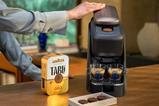
Fortunately, such startling inflation hasn’t dampened demand. Ground volumes have grown 2.7%, while instant volumes are up 1% [NIQ 52 we 6 September 2025]. Brands are still innovating too; YouTube stars James Marriott and Will Lenney (aka Willne) launched a new iced coffee brand called Rodd’s into grocery in April, while Grind made its debut in instant with a duo of ‘craft’ blends in September.
Functional drinks go mainstream
Two major trends are bolstering sales of so-called ‘functional’ soft drinks in UK grocery. The first is a move away from sugary soft drinks, as shoppers seek out healthier alternatives as part of their meal deal. The second is an exodus away from alcohol.
Combined, they have helped adult soft drinks with perceived added benefits soar. Exclusive data shared with The Grocer in June showed the functional segment nearly matched the £24m growth of the entire carbonated category in 2024, despite being less than 5% of its size [Northstar by Circana 52 w/e 25 January 2025].
This year has seen continued momentum for functional’s biggest players. Take Trip, which has recorded value sales growth of 86.4% on volumes up 88.4% [NIQ 52 w/e 6 September 2025]. Then there’s juice shot category leader Moju, which is up 44.1% on volumes that have surged 53.3%. Both brands can make a reasonable claim to now be household names.
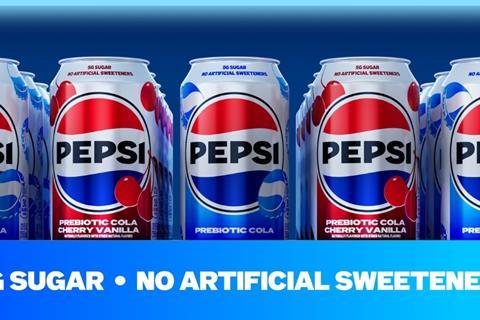
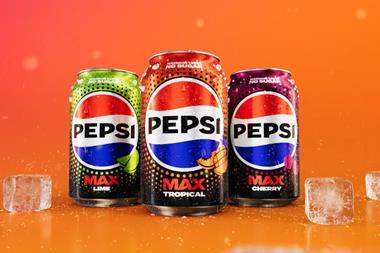
Perhaps the biggest sign of functional drinks’ growing influence, however, came across the pond. In June, soft drinks giant Pepsi announced it was to debut a prebiotic cola in the US. Dubbed “the first significant innovation in the traditional cola category in 20 years”, Pepsi Prebiotic Cola contains 5g of cane sugar, 30 calories and no artificial sweeteners, alongside 3g of prebiotic fibre per can.
Whether this sidestep will be successful remains up for debate, but Pepsi’s willingness to extend its flagship namesake brand into functional demonstrates its belief the segment has mainstream appeal.




No comments yet