
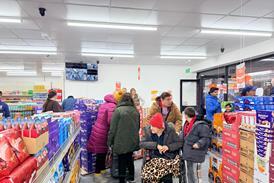





Cheetham Hill in north Manchester was once known as the “counterfeit capital of Europe”. Local residents spoke of neglect and sustained harassment from the lookouts who lurked outside illegal stores, and from the associated drugs and exploitation.
Then, in 2022, Greater Manchester Police launched Operation Vulcan. More than 200 shops were shut down, 1,000 tonnes of items and £520k in cash seized – and violent crime and public order offences fell by 50%.
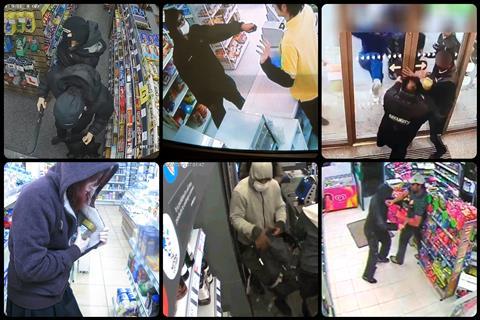
The problems in Cheetham Hill are replicated across the country. A 2025 Ipsos poll found that almost a third of people limited how often they visited their high street because of crime and antisocial behaviour. As our cover feature this week (p30) warns, it is a situation playing out across the country.
The scale is startling. In just one operation, UK law enforcement visited 2,734 premises, made 924 arrests, seized £10.7m in cash and high-value goods, and destroyed £2.7m of illicit tobacco, vapes and drugs. The CTSI suspects that up to half of convenience stores and vape shops in some areas have links to organised crime. The BRC puts the cost of organised shoplifting gangs at around £400m per year.
The government has started to respond. PM Andy Burnham has vowed to save “hollowed-out high streets” with a £30m funding package that includes a new High Street Organised Crime Unit to co-ordinate operations, alongside a consultation on longer closure orders and a review into law enforcement.
The trouble, as CTSI chief exec John Herriman told MPs, is that serious organised crime already has a foothold on the high street. That £30m will barely scratch the surface. That gap is the big issue and legitimate retailers including grocers are paying the price in undercut margins, staff abuse and the reputational damage of being lumped in unfairly with dodgy outfits.
It’s clear organised crime has professionalised and in some areas flourished due to weak enforcement and cuts to bodies such as Trading Standards. The scale of the response, then, needs to match the scale of the problem if we are to reclaim high streets for the people they are meant to serve: local people.




No comments yet