





Food reformulation has emerged as a critical tool in addressing excess content of unhealthy nutrients in our food and drink.
Traditionally, reformulation was associated with voluntary programmes focused on single nutrients, such as the UK salt reduction programme, or as an approach favoured by industry to escape more stringent regulations. Since the Soft Drinks Industry Levy, there has been growing discussion of a mandatory approach to reformulation.
However, this binary classification of policies as either voluntary or mandatory oversimplifies a far more complex landscape.
Business as usual
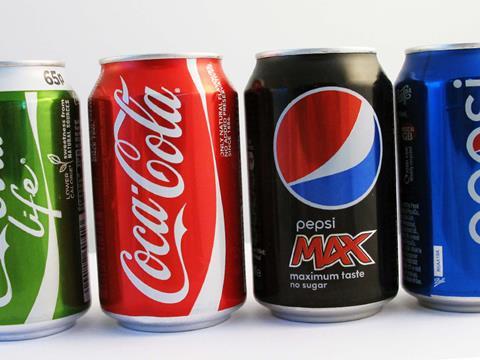
Recent research reveals the reformulation policy landscape is far more sophisticated, encompassing both direct and indirect drivers that collectively influence product composition and public health outcomes. The traditional framework overlooks important distinctions within mandatory approaches. Policies like the Soft Drinks Industry Levy represent deliberate financial incentives designed to prompt reformulation.
In contrast, front-of-pack nutrition labelling systems and school food standards have encouraged reformulation as indirect consequences. In Chile, Mexico and Peru, companies responded to warning labels by reformulating best-sellers to avoid warnings that could reduce consumer demand. Similarly, school food standards have driven reformulation as companies sought to maintain school supply contracts.
Over the past decade, the UK has implemented several co-ordinated policies with reformulation potential, including voluntary salt, sugar and calorie reduction programmes, alongside regulations on price, promotions and advertising. The salt reduction programme, despite being voluntary, has become business as usual for major retailers and food companies, with targets integrated into regular product development.
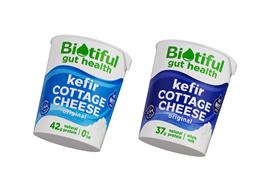
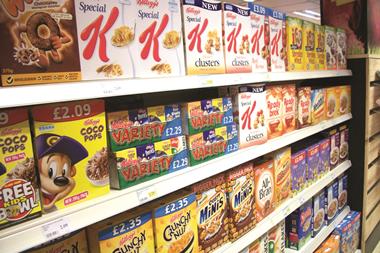
The sugar and calorie reduction programmes showed mixed success, but achieved significant strides in sectors like yoghurt and breakfast cereals.
The HFSS effect
However, promotion and advertising restrictions offer a more interesting catalyst for reformulation. While these policies physically restrict where products are sold and advertised and the types of price promotions they can receive, emerging evidence suggests they also drive reformulation.
One surprising development is how the Soft Drinks Industry Levy has interacted with promotions and advertising regulations, encouraging even greater shifts in product composition beyond the levy’s original thresholds. This synergy between policies highlights how different regulatory approaches can reinforce each other.
Addressing the growing burden of diet-related disease cannot be achieved through single policies alone. It requires a co-ordinated mix that works together to encourage reformulation and reshape the food system.
Most recently, the UK government announced a world first ‘healthy food standard’ requiring large food companies to report the healthfulness of their sales. Companies will be “given the freedom to meet the standard in whichever way works best for them”, whether through reformulation, store layout changes or loyalty scheme modifications.
While the stringency of these standards remains to be seen, they represent another potential lever to drive industry reformulation for better public health outcomes.
Dr Kawther Hashem is senior lecturer in public health nutrition and head of research and impact at Action on Salt & Sugar









No comments yet