





Policy has taken centre stage this week, with three of the food system’s biggest pressures – workforce shortages, rising food poverty and complications around the packaging tax – all taking the spotlight.
The IGD has officially relaunched its Feeding Britain’s Future programme in the wake of last week’s Milburn report, moving the focus quite rightly back towards long-term workforce resilience and co-ordinated action.
It makes no secret of the fact that its plans to inspire a new generation to seek careers in food and drink are ambitious. But they need to be, to tackle the workforce crisis threatening the food industry’s future – or, as IGD put it, to “prevent a generation from being left behind”. With a 15-year-old daughter myself, anything that gets kids thinking about what they’re going to do once they aren’t tied to the relentless 9-3.30 is a Very Good Thing.
Earlier in the week, Ian Quinn revealed that the UK’s biggest food redistribution charity had unveiled its new post-merger name, while simultaneously warning that the UK will soon be facing a “perfect storm” food poverty crisis due to the war in Iran.
The Felix merger itself signals an ambitious push on redistribution – not just operationally, but culturally. If the united voice of those charities can elevate surplus food from a logistical challenge to a public conversation, perhaps the industry can achieve that much-needed step change.
And after much toing and froing it looks like the UK deposit return scheme is actually going to happen. As editor-in-chief Adam Leyland argues in his leader this week, there are many lessons to be learned in how to fix the mess of the government’s wider plastic and packaging policy.
The real question is to what extent any of these efforts will translate into lasting policy and genuine, systemic change.
Big bucks, Booths and Bestway
Over on the retail desk, The Grocer brought news of another bumper year for Sainsbury’s boss Simon Roberts, whose pay topped £5m for a second year running. It’s less than half of the £10.8m Tesco CEO Ken Murphy took home last year, but is still a pay gap of roughly 19,000% between the shop floor and the top floor.
There was a shiny new rebrand from northern supermarket Booths, as the retailer looks beyond its own stores for sales as it moves to leverage its own brand products through other channels. As senior reporter Stephen Jones explains, the move may be significant, but premium supermarkets remain “the beating heart” of the Booths brand.
We also saw some really interesting news in the wholesale sector as Bestway closed in on a major acquisition, and snapped up Dee Bee Wholesale, nabbing itself a £57m turnover business with a significant wholesale legacy, having been founded and run by Nick Ramsden (son of legendary wholesale pioneer Dudley Ramsden, who passed away last year).
After being granted a rare interview, we also spoke to Ranjit Boparan, 2 Sisters owner and legendary ‘Chicken King’, about the extraordinary journey he’s been on to create one of the UK’s biggest food businesses, his approach to turnarounds, and his mission to show that higher welfare, net zero, affordability and resilience can go hand in glove.
Back to policy, and Rachel Reeves’ latest intervention hasn’t landed much better than the scrapped supermarket price cap idea. Plans to cut tariffs on 125 everyday items were met with heavy scepticism, with FDF research analysis suggesting the upside for shoppers could be marginal, while potentially undermining UK suppliers. Kevin White’s analysis on the situation raises an obvious question: why bother?
El Niño and eggs
Elsewhere, the industry is bracing for disruption. Warnings of an El Niño event following the recent heatwave have triggered fresh concerns over UK food supply, adding to an already fragile outlook, while geopolitics is also biting. The fallout from the Iran conflict is pushing up input costs and squeezing availability in egg products, underlining how quickly global shocks feed through into everyday categories.
Just three months on from its collapse and sale to Tilray, BrewDog already finds itself in a bit of a pickle. NIQ data shows value sales down more than £10m year on year in the past 12 weeks [w/e 16 May 2026], a far steeper drop than the 11.8% decline over the past year.
There are, of course, mitigating factors. BrewDog was unlikely to be investing heavily in retail while advisers thrashed out the deal, but the scale of the decline underlines the challenge now facing Tilray, particularly as retailers continue to deprioritise craft. Can BrewDog claw back its relevance? Answers on a postcard to drinks editor James Beeson, please.
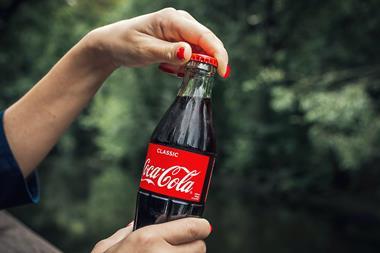
Trip, by contrast, isn’t short of confidence. Fresh from its first full accounts, it is showing strong growth and real traction in the US. Finance editor Ed Devlin revealed that the functional drinks brand is already talking up unicorn status and a $1bn valuation by next year. In fact, Trip’s news comes as part of a shift across the wider soft drinks market. For the first time, sports & energy has overtaken cola as the biggest category, a milestone powered by Red Bull and Monster’s relentless double-digit growth.
As always, this is just a snapshot of the brilliant journalism we’ve worked on this week. We haven’t even touched on Dr Vegan permanently absorbing the 20% VAT on its PMS Hero capsules, the how the Fifa World Cup will impact consumer spending, or Premier jumping the gun on mandatory health reporting. More to follow on that latter one next week, as it’s The Grocer’s special Health Week where we turn our focus on all things healthy eating – so if you’ve got some wellness intel or nutritional news, you know where we are.
And as ever, we’d love to hear what you think. Drop me a line at jacqui@thegrocer.co.uk, and have a great weekend.




No comments yet