



It can be tempting to dismiss apocalyptic warnings of empty shelves, soaring prices and widespread food shortages as being needlessly dramatic.
But in the wake of the hottest summer on record, the evidence is becoming increasingly difficult to ignore. Fruit & veg crops have been hit by extreme heat and drought, farmers are predicting disastrous harvests and milk production has fallen off a cliff. The food supply crisis is not some distant threat expected to hit us many years down the line: it is already here.
In our lead feature for The Grocer’s Green Week, a sustainability expert describes the outlook for grocery’s battle against climate change as “bleak”, warning the industry is not cutting emissions anywhere near fast enough. Also this week, senior food execs accused the industry of responding to the climate crisis with “quick-fix crisis management”, designed to create an “illusion of resilience”, rather than addressing the true issues.
It’s clear industry must move faster. With insiders warning that food shortages are a very real prospect over the coming months, it’s not entirely surprising the government has been soft launching the idea we should all start thinking about stockpiling bags of pasta, “just in case”.
But there is still room for optimism. As professor Paul Behrens outlines in the National Emergency Briefing, all is not lost. While refusing to sugarcoat the severe risks facing the UK food system, Behrens also outlines actionable solutions which, if implemented, would be completely transformative.
The challenge is that these solutions – which include regenerative farming, water infrastructure and significant changes to grazing and soil management – are expensive and need proper backing. Farmers are increasingly open to changing their methods, but industry cannot demand investment in more resilient systems while refusing to help keep businesses viable. Regen pioneer Wildfarmed shows both the opportunity and the commercial challenge, with revenue growth and new partnerships sitting alongside continued losses.
Our Green Week coverage offers plenty of other examples of businesses responding to the warnings. But genuine resilience isn’t a messaging exercise. It means paying farmers fairly, investing before crisis hits and aligning commercial incentives with climate commitments.
Above all, it means being honest about the scale of the threat.
My picks this week:
- Sticking with the Green Week theme, the government is preparing to launch a major new intervention on UK food resilience after a series of behind-the-scenes talks with food bosses. Sources told chief reporter Ian Quinn that Andy Burnham’s government has ordered officials to move much faster, in a move it claims will see a ”real step-change” in efforts to strengthen UK food security and domestic production. Apparently, the talks included a “very lively conversation between industry and government” – which, it’s fair to say, will come as a surprise to absolutely no one.
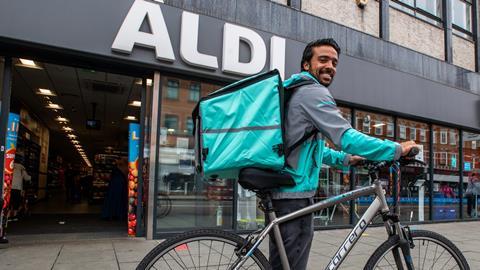
- Aldi has already tried and stopped selling groceries on Deliveroo once before. So, with its market share growth stalling, why is it having another go now? That’s the question deputy news editor Steve Farrell asked, with some answers more postive than others. Retail analyst Nick Bubb was one of those to remain largely unconvinced. “The hapless Deliveroo rider has to pick the order in the store? That’s never going to work,” he said. Apologies to all Deliveroo riders out there.
- In what can only be described as an astonishing display of corporate brass neck, the world’s largest meat company JBS recently attempted to turn anti-Slapp laws on their head, using legal protections intended to defend free speech to try to silence campaign group Mighty Earth’s US court case accusing it of greenwashing and making misleading climate claims. A Washington DC judge rejected JBS’ argument, and the irony is that since launching the suit, JBS has quietly watered down its net zero plans anyway.
- Everyone’s favourite sourdough success story, Jason’s is looking to capitalise on its current fortunes as the bakery group hires M&A advisors to explore a potential £500m blockbuster sale. Revenues at Geary’s Bakeries soared another 40% to £128.6m in the year to 2 January 2026 thanks to the growing popularity of its clean-label supermarket sliced sourdough. And crumpets.
- And finally, Poundland’s 12,000 employees got some welcome news this week, as we revealed a team led by MD Barry Williams and former Asda and Pepco Group CEO Andy Bond is in talks with owner Gordon Brothers over a management buyout. The high street discounter recently returned to growth, raising hopes the discussions are focused on ensuring it doesn’t go the way of Claire’s and The Original Factory Shop by disappearing from UK high streets altogether.
Thanks for reading. We’re always keen to hear your thoughts, so please do email with any questions, comments or feedback on jacqui.parr@thegrocer.co.uk.

No comments yet