



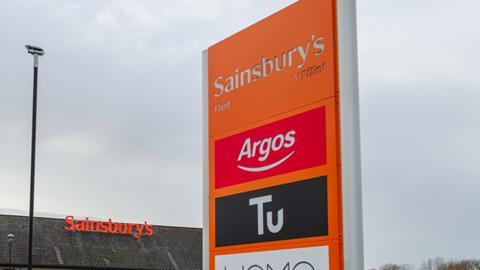
No one was expecting this morning’s surprise announcement when we reported that Sainsbury’s has agreed to sell Argos for £120m, a decade after buying the company for more than £1bn.
In addition to keeping finance reporter Dominic Bernard on his toes, the news will also allow Sainsbury’s to concentrate on its core food business – a focus which some analysts and investors are saying is a sure sign that many supermarkets’ dream of being a key non-food destination is just that.
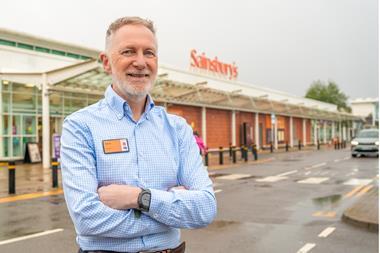
As CEO Simon Roberts was keen to stress, Argos isn’t disappearing from Sainsbury’s stores. The retailer’s 466 in-store outlets will remain, Nectar will continue to work across both businesses, and Habitat products will stay on shelves. In other words, shoppers may barely notice a difference.
The bigger questions concern what the deal says about Sainsbury’s long-term priorities, and whether the new owners – a newly-formed trio of retail veterans – can unlock more value from an asset many thought had already been fully integrated. In addition to the above, we’ve also created a full timeline of the journey from merger to sale.
Are Asda’s green shoots finally here?
Sticking with supermarkets, are we finally seeing some green shoots of recovery at Asda?
New data seen by The Grocer showed the retailer delivering its first sales growth in two years. That won’t solve all of Asda’s problems, but it does suggest some of the intense repair work is beginning to have an impact, and there certainly seems to be a little more confidence in Leeds, with plans to introduce hyper-personalised loyalty missions offering a sign that Asda is sharpening its customer proposition rather than simply relying on price.
It was also a busy week for Yorkshire rival Morrisons. We brought news of a trial of AI-powered smart shopping trolleys, the first time the technology has appeared in the UK. It may only be in one store for now, but it offers an intriguing glimpse into how the weekly shop could evolve. Meanwhile, the supermarket is also enjoying considerable success with More Card in its franchise Daily estate, with more than a million customers using the loyalty scheme since it was extended to independent retailers a year ago.
Beyond the supermarket aisles, food insecurity has also been dominating the agenda. Tesco became the latest retailer to back calls for Andy Burnham to introduce a new Good Food Bill aimed at tackling food insecurity and improving public health.
The timing felt significant, coming during a week packed with stories about the industry’s efforts to get food to those who need it most, including the landmark agreement between the UK’s leading food redistribution organisations, designed to help deliver the sector’s ambition of tripling redistribution volumes.
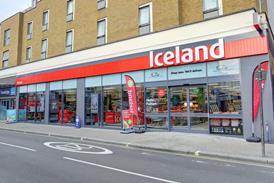
There were also innovative moves from companies including Princes, Waitrose, Felix and Alliance Food Sourcing to produce food specifically for families facing food insecurity, including one million cans of Branston Baked Beans. Add in Iceland Foods and Olio reaching the milestone of 10 million meals redistributed, and it is clear that food redistribution is moving from good intention to serious infrastructure.
Food, farming and fires
In the same week that wildfires raged across Europe, we also reported how extreme weather is already damaging crop yields. Produce from olives and maize to sunflower and soybeans is all being affected, while concerns are growing over this year’s Bordeaux vintage.
Closer to home, more than half of England is now officially in drought, with Wales facing similar challenges. As NFU deputy president Paul Tompkins put it, farmers are witnessing climate change in action, with implications for food production and supply impossible to ignore.
That also feeds into the increasingly thorny issue of cost price increases. The NFU says there is mounting evidence that farmers and growers are struggling to secure fair discussions with retailers over rising costs. With climate pressures, conflict and ongoing inflation continuing to squeeze primary production, expect this debate to become louder in the months ahead.
Further up the supply chain, we saw some consolidation as UK and Ireland’s largest beef processor, ABP, took a minority stake in exclusive Waitrose supplier Dovecote Park. Dovecote insists the move preserves its independence, but it is another step towards greater concentration in a meat processing sector that has already attracted criticism over a lack of competition.
At the other end of the spectrum, online meat retailer Muscle Food caused a stink this week (literally) as it was pushed into administration by one of its lenders. Details remain sketchy, but scathing Trustpilot reviews reveal a flood of customer complaints about missing orders and rotting, stinking, slimy meat arriving on doorsteps…
Finally, a quick word on drinks. The World Cup delivered a huge boost to beer sales, generating an extra £32.4m as consumers stocked up to watch matches at home. Budweiser was the biggest beneficiary, while low & no-alcohol beers enjoyed another strong performance. Elsewhere, coconut water is also having a moment. Sales are surging, challenger brands are booming and major players are piling in. Like the heatwave itself, this trend looks set to stick around a little longer.
As ever, if you have any thoughts, questions or feedback on what we’re covering, we’d love to hear from you. You can email me at jacqui.parr@thegrocer.co.uk or reach out to any member of the team. Have a great weekend.






No comments yet