


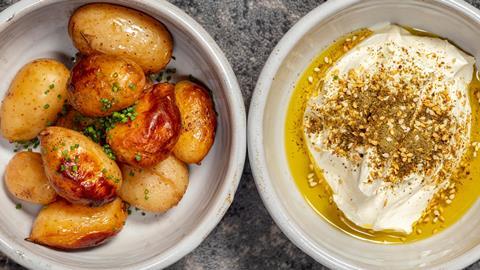
You might think it would be easy to know whether a yoghurt counts as unhealthy. We assume there is a standard definition we can use to determine the healthiness, or otherwise, of the food we eat.
But that is not the case. According to a new UCL study, a fat-free probiotic yoghurt would be classed as high in fat, sugar or salt under the Eatwell Guide, but not under the traffic light system or the HFSS definition behind the promotions and advertising rules. The same goes for canned pasta in tomato sauce and macaroni cheese made from a packet mix. The researchers admit there are limitations to the study, not least its reliance on the controversial Nova classification. But it serves to illustrate the mess the rules are in.
Yoghurts featured in another new study too. Researchers at the University of Oxford looked at the government’s planned replacement for the NPM and found the proportion that passed would fall from 78% to 36%. Elsewhere, the pass rate for soft drinks would fall from 66% to 6%, while breakfast cereals would decline from 79% to 39%.
The industry is understandably unhappy. Manufacturers have spent tens of millions of pounds on reformulation. The bigger issue, however, is uncertainty. Businesses can invest against a tougher standard, but not when that standard may change and nobody can say when.
While that is a fair complaint, the new NPM has hardly come out of nowhere. It was developed in 2018, and government said last year it planned to implement it. Campaigners say food and drink businesses have had years to prepare – and they have. But what they haven’t had is a date.
What these two studies really do is ramp up the pressure on ministers. The government wants to tackle obesity, but that ambition will be much harder to achieve while it continues to rely on multiple definitions of what counts as healthy.
The current system is inconsistent, outdated and opaque. That must be addressed, alongside a clear timetable and a transition that rewards companies offering genuine reformulation. Healthy should not depend on who is asking.
My picks this week:
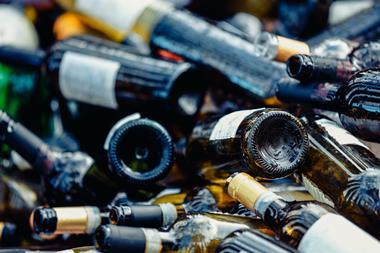
- The government announced a packaging tax bailout of the glass and hospitality sector after revealing plans to slash the EPR fees for glass by up to 40%. It sparked major celebrations among pubs, drinks companies and glass manufacturers. But the intervention, exclusively revealed by The Grocer, has split the industry, with other sectors furious that they will have to pay more and sooner.
- Potato farmers have said there will be smaller chips, crisps and baking potatoes this year due to the extreme weather. Leading supplier Albert Bartlett says some growers have had to apply double their usual amount of water just to keep crops alive, with one grower describing irrigation as “like pouring water on a dead corpse”. The hot summer also proved to be the nail in the coffin for prepared foods manufacturer Kanes. More than 600 people have lost their jobs, after Kanes Foods collapsed into administration on Wednesday. The stir-fry mix, salad and sauce maker could not recover from a £2m wastewater plant failure in 2025 and massive rise in greens prices during the 2026 summer drought.
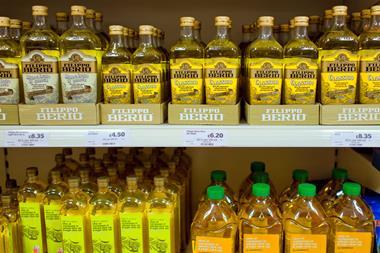
- Meanwhile, the weather cannot be blamed for the spectre of rising olive oil prices rearing its ugly head again this week as two major events dramatically shifted the landscape in Spain, which accounts for 70% of British supplies. The UK boss of Filippo Berio worries the acquisition of Deoleo by producer Dcoop and bottler Acesur will consolidate too much power in the hands of one olive oil giant, and lead to upwards price pressure on suppliers. Unprecedented moves by the Spanish government to order 188,000 tonnes of olive oil to be held off the market added another intriguing dynamic to the market.
- With Christmas ads out this week from M&S and Waitrose, can either of them take the crown of best of the year? Our panel of judges weigh up all the Christmas ads that matter for 2026. While some say it’s the marketing that draws in customers, others swear it’s price, and shoppers can expect cheaper turkeys this year as retailers do battle. Fresh turkey prices have declined 5.4% year on year across the major multiples, The Grocer’s analysis of Assosia data shows. Out of the 30 fresh lines available this year and last, nine have seen prices fall and none have seen increases.
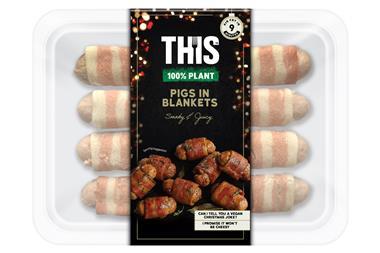
- Ever-rising consciousness of the UPF debate took two forms this week. First, we found sales of plant-based food continued to decline this past year. Alt-meat sales dipped by 1.3% in value and 2.5% in volume [NIQ 52 w/e 8 August 2026] and dairy-free cheese lost 8% of its value on volumes down 10.5%. While Hovis has unveiled a three-ingredient sourdough range in response to demand for “bakery goods made with simple, recognisable ingredients”.
Thanks for reading. We’re always keen to hear your thoughts, so please do email with any questions, comments or feedback on jacqui.parr@thegrocer.co.uk.

No comments yet