





And just like that, Doritos have become the latest mainstream snack to get a functional upgrade.
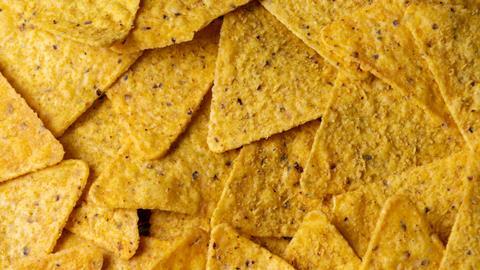
Last month, Doritos debuted a high-protein range in the UK. The bags of Sweet Chilli Chipotle and Sizzling Steak flavoured tortilla chips contain 10g of protein per 48g serving. They are billed as high in fibre and promise to deliver the “bold flavour and crunch people expect from Doritos”, according to the snack giant.
The launch may have turned a few heads and been the inspiration for more than a few LinkedIn posts. But at a time when consumers are seeking more nutritional value from everyday foods, a bag of tortilla chips boasting 10g of protein may seem a more compelling proposition than a pickled onion-flavoured monster claw (if you know, you know).
But do consumers actually want functional benefits in their snacks? Or should bags of crisps be left alone to be, well, treats?
According to new research from consumer testing platform Stickybeak, nearly 60% of UK consumers said exactly that. As one respondent put it: “Chocolate is chocolate. Don’t mess with it. It’s supposed to be a treat, not a body workout.”
However, almost two-thirds (64%) said they would opt for a functional crisp over the original, provided it matched the flavour, size and price.
Taste vs treat
“Taste is one of the biggest worries consumers have about functional treats,” said a Stickybeak spokesperson. “Around a third told us functional claims can feel like a gimmick.”
They pointed to Proper as a good example. “Popcorn is a classic indulgence,” they said. ”Proper still delivers the flavour and fun that matter in a treat, while adding a clear health benefit with its high-fibre claim on pack. That combination lands with consumers.”
High-protein crisps are not entirely new, and challenger brand The Curators has been innovating in the space for years. It recently celebrated passing 10,000 points of sale, while value sales jumped 53% year on year in the first six months of 2026, suggesting demand for protein crisps is very much there. Doritos’ launch, however, was the clearest signal that protein has now reached the mainstream crisp aisle.
Protein isn’t the only claim appearing on the front of crisp packets though. Take Lion’s Brain. The brand launched last month with a range of three crisps, all made with lion’s mane extract and added zinc.
Its strategy is taste first, function second. Founder Ian Harman said the brand chose lion’s mane for its “growing interest” and ”natural fit for a mushroom-inspired crisp range”, while zinc, he says, contributes to normal cognitive function.
The big question
So while functional crisps can work commercially, there’s a bigger question to be answered. Is it right for crisp brands to use nutrition claims to attract consumers looking to improve their diets in the first place?
Crisps remain a food generally associated with indulgence and moderation, and adding a high-protein claim to the front of a crisp packet, does not automatically make it healthy. Crisps are still high in calories, salt and fat.
If nutrition claims are to become more commonplace on snack foods like crisps, brands should also expect greater scrutiny of the ingredients and processes used in making their products. To give credit where it’s due, Doritos’ new high-protein range does contain 30% less fat than the average bag of tortilla chips.
While functional crisps may stand out on shelf right now, the real test will be whether they can drive repeat purchases. If consumers are looking for protein, will they really be looking down the snack aisle? Functional benefits such as high-protein may encourage initial trial, but when it comes to snacks – especially crisps – taste will always be king.







No comments yet