




Consumers are starting to regard the old saying “you are what you eat” as less of cliché and more of a wellness strategy, using food and drink to support wellness outcomes like gut health, sleep and mood.
Nearly two-thirds (62%) of UK consumers say food or drink products are part of their daily wellness routine, rising to 73% of 25 to 34-year-olds, according to Mintel research. Wellness is no longer niche, it’s fully mainstream.
Brands are expanding functional assortments to meet this demand. Mintel GNPD shows the share of new food and drink products with functional claims has risen consistently since 2022. People are making healthier choices and brands are finding growth opportunities. So, where’s the catch?
Wellness’s unique challenge is that functional claims raise the bar for loyalty. Growth won’t come from trial alone, but whether consumers feel the benefits are real. Success is determined at the second purchase, when shoppers judge whether a product delivered enough value to repeat.
Mintel research shows product performance is the leading loyalty criteria for wellness consumers. Retention is won on efficacy, not novelty. This is particularly important when wellness claims are used to justify premium pricing. Wellness offers strong permission to spend, but higher prices must be backed by substantiated claims.
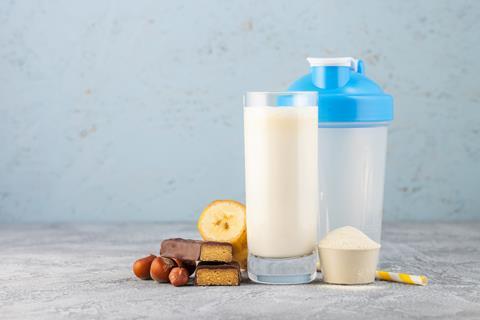
This is doubly hard because the benefits of many wellness food & drink products depend on continued consumption. One high protein meal doesn’t help to build muscle mass, sustained consumption over time does. Functional food and drink products ask consumers to stay committed long enough to experience value.
Closing the loyalty gap
So how do brands close that gap?
First, brands and retailers should make consistency easy. For retailers and DTC brands, subscription models can help turn trials into routines. The supplements company Innermost offers a 20% discount for product subscribers, helping offset the sticker shock of committing to ongoing payment.
Second, education reinforces trust. Brands that create ongoing touchpoints through expert guidance, owned content or social engagement shape routines and maintain relevance beyond the initial purchase. The nutrition company Kroma Wellness uses social media to engage shoppers with education, like easy health assessments.
Third, peer validation makes benefits more tangible. User-generated content and brand advocacy help translate abstract claims into lived experience, giving shoppers a clear sense of what value looks like in practice. Bloom Nutrition’s founders attribute much of their success to their investment in community, as it scales towards a $1bn valuation.
Winning in wellness means proving performance, building trust and embedding products into everyday routines. For brands and retailers alike, the commercial opportunity lies not in wellness washing, but in meaningful impact.
Claire Tassin is principal strategist at Mintel Wellness Research
The Grocer Health Summit 2026 is helping the industry turn healthy eating insight into action. Covering everything from regulation to reformulation and science to strategy, the one-day conference will be taking place on Tuesday 15 September 2026 at the QEII Centre in London.
Visit thegrocerhealthsummit.co.uk to book your tickets and find out more.







No comments yet