




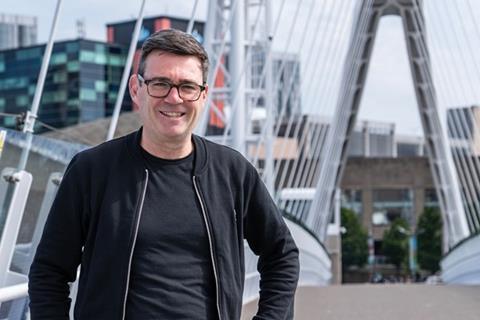
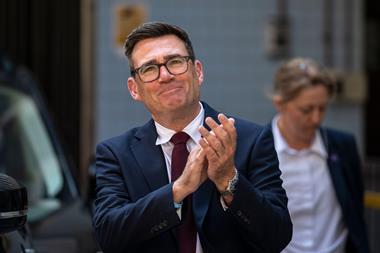
Andy Burnham, Britain’s next prime minister, says he wants a reset for the whole country. But amid promises to tackle key national infrastructure, will food finally get the attention it deserves?
Food is where the cost of living and the changing climate collide, but as prices climb for consumers – inflation is forecast to hit more than 9% by the end of the year – big profits for farmers are not part of the picture.
Increasingly volatile weather is already affecting harvests and contributing to price pressures, while many farms are buckling under rising costs and squeezed margins of their own. They lack the investment in planning and infrastructure, such as reservoirs, that could help them manage changing weather patterns.
Global instability is also putting the UK’s food security at risk. Take something as basic as the 80% of fresh fruit and 50% of vegetables we import. Long, complex supply chains routed through countries increasingly exposed to climate and geopolitical shocks leave us doubly exposed: to higher prices on the shelf, and to worse farmgate prices for the farmers and growers who supply them.
Homegrown produce is more insulated from these shocks, but too much of it still depends on imported inputs, fertiliser and animal feed. That means the whole system stays hostage to global volatility.
Britain’s own supply chains aren’t helping either. Unfair dealings by supermarkets and manufacturers, late cancellations, and a long chain of middlemen mean farmers are often left with meagre pennies in the pound for the food they grow. Analysis for Sustain on profit distribution across the food supply chain lays bare just how achingly thin those margins have become. For a 480g pack of mild cheddar, for example, a dairy farmer receives 0.02% (far less than a penny) of the selling price of £2.50. We need supply chains and regulation that are built around farmers, not despite them, and that strengthen rather than undercut resilient regional food systems.
Burnham has so far not signalled much appetite for intervening in food supply chains in the way he says he will for energy or water. But the same fragility he wants to fix there runs straight through our food system too. A government serious about the cost of living can’t keep treating farming livelihoods, natural resources and our daily food as essentials that can be secured through market forces alone.
This is the in-tray Burnham inherits. The government’s newly published Farming Roadmap 2050 sets out a 25-year vision for the sector, but there are still gaping holes around how it connects sustainable farming to issues like healthy diets and affordability. It says little, for instance, about how farmers will be supported to grow more of the fruit, vegetables and pulses the country needs for a healthier diet.
And the long-promised food strategy, the one vehicle that could join up farming with the cost of living, public health, nature and the climate, is still in development. Burnham doesn’t need to start from scratch. He needs to pick these strategies up, finish them properly, and give food the same priority as the other crises he’s promised to fix.
The job of the new PM must be to back British farmers, lead the green transition, make sure farmers get a fair price for what they grow, and to champion the government’s own food strategy. If Burnham truly wants a reset that reaches everybody in Britain, food cannot be the afterthought it has so persistently been in British politics.
Kath Dalmeny is CEO of Sustain

No comments yet