



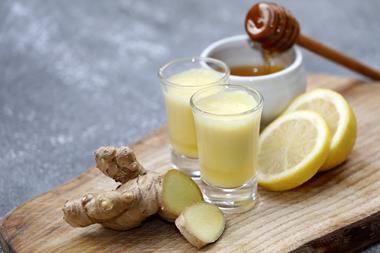
A friend recently sent me a photo of her larder cupboard, newly stocked with all the right products. It was, in its own ridiculous way, a flex. We both knew it. Status now comes in the form of a £14 smoothie, or olive oil more likely to be found on an Instagram carousel than the hob.
Highsnobiety’s 2026 Status Economy report captures a shift that has been building. Food and drink have moved into territory once dominated by fashion, giving people a new way to signal taste.
In truth, food has always been part of a person’s identity. The French gastronome (and politician) Jean Anthelme Brillat-Savarin wrote in 1825: “Tell me what you eat, and I will tell you what you are.” But with the explosion of social media, that truth has gone into over-drive – and it’s opened an opportunity for fmcg brands to sell more than a product. They can sell how people express themselves.
Conceptualised for the camera
The obvious temptation is to chase the trend: make the product look good in someone’s hand, then hope culture does the rest. The problem comes when a product has clearly been built for a Valencia filter as opposed to real enjoyment.
That is where food differs from fashion. You can get away with discomfort in a pair of shoes if the social reward is high enough. You cannot do the same with a disappointing drink. At some point, it has to taste good and earn a second purchase when nobody is filming it.
Consumers are better at spotting this than brands sometimes want to believe. They may not use the language of authenticity, but they can feel when something has been reverse-engineered from looking good on the grid.
Hype is not a flavour
You know the food brands that do it well because people bring them out almost apologetically. “These crisps are stupidly good,” or “I know this bottle looks ridiculous, but try it.” A lot of hype-led brands miss this. The product has to survive the moment after the photo, when someone actually opens it and passes it round.
People are looking for small, accessible ways to express taste. They want ordinary routines to feel more considered, and food is a natural place for that to happen because it already sits close to identity.
For fmcg brands, the answer is not to copy the current food flex until it curdles. The better move is to understand the behaviour underneath it – then build something with enough substance to survive after the hype has moved on.
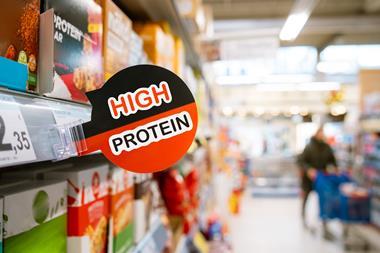
The next status symbol may well come from the supermarket aisle. Just make sure it still tastes good when the cameras are off.
Anastasia Katie Terzeon is managing partner at St Luke’s

No comments yet