

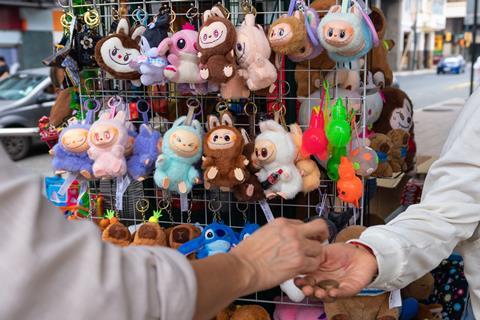
What does the meteoric rise of Labubus – the ‘ugly-cute’ collectible dolls championed by celebrities like Rihanna – reveal about shifting consumer appetites?
The Chinese toy maker Pop Mart has tailored Labubus to engage Gen Z and millennials. As the most frequent and enthusiastic snackers, understanding the wider desires and trends of these generations provides food and drink companies with valuable insights they need to keep this young cohort excited and loyal.
Here are three clear strategy lessons these brands can learn from the extraordinary success of this doll craze.
Express yourself
Lesson one: brands should help consumers express themselves. Pop Mart has successfully transformed its fanbase into a thriving community. Consumers consider their interests and the products they choose as an expression of their identity and values and this shared identity creates micro-communities with common interests.
Labubu fans, for example, trade figures to complete collections or find rare items. Snack brands can make sure they stand out by first embracing individuality, which is important to younger generations, and then pursuing collaborations that resonate with specific micro-communities, setting themselves apart from competitors.
Time to get real
Lesson two: brands should encourage emotional honesty. Seen as a successor to Labubu, the Crybaby doll’s ethos is that it’s okay to express emotions by crying. Taking a similar tackby focusing on the importance of mental wellbeing, snacks can redefine ‘guilty pleasure’ as positive self-care.
Mintel research finds a third (33%) of UK Gen Z snackers turn to snacks to cheer themselves up, versus 24% of all UK snackers. There is an opportunity for snack brands to reframe the narrative: shifting from being perceived as a ‘guilty’ pleasure to an ‘uplifting’ one.
By embracing the idea that occasional indulgence can positively contribute to mental wellbeing, brands can connect more deeply with consumers. Kit Kat reminds us to ‘break better’ and has long been synonymous with encouraging people to take time out. In today’s switched-on world, the brand has evolved its message, emphasising the importance of enjoying ‘quality breaks’.
Little treats
Lesson three: brands should drive more value through affordable indulgence. The power of small-ticket emotional purchases matters. Prices remain high, and consumers are ‘purposeful’ with spend – trading down in some baskets, while protecting small treats that feel special.
Snacking is often a daily occurrence, but some consumers are now considering limiting its frequency to special occasions. ‘Value for money’ is a multifaceted concept for consumers: beyond merely being price-sensitive, brands must also cultivate a ‘feel-good’ positioning to genuinely demonstrate their value to consumers.
Similarly, snacks can be presented in ways that help to boost our mood or, at the very least, help convince us we’re having a good time.
Jolene Ng is associate principal at Mintel Food & Drink



No comments yet