




The government’s Be Ready campaign has brought back memories of Covid, when we all started wondering how much loo roll was enough and how much was selfish stockpiling. But since we’re all advised to have three days’ worth of supplies in the event of disruption to services, last weekend I looked at the official new checklist. And it got me thinking about food waste.
“How to get started: see what you already have.”
It’s good advice and what I’d always tell other people when it comes to preventing waste. But looking in my own cupboard – really looking – was eye-opening. A whole bag of popcorn kernels that expired in 2021? I promise I had good intentions. Three open jars of harissa? I’m innocent, your honour – please question my wife. And how long could a family of five survive on cans of coconut milk? Well, we have enough to find out.
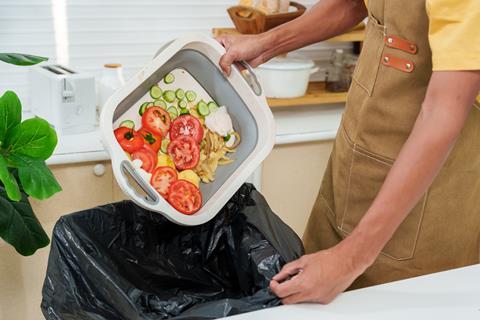
We’re fortunate: our cupboards are full, we have a big freezer and our finances could flex to buying food we might not need anytime soon. Not everyone is so lucky, and rising food prices are squeezing already tight budgets. But even so, most households already buy much more than they use: the average household of four throws away £1,000 worth of food each year. A campaign helping us prepare for a crisis is important, but so is making sure people make the most of what they buy.
This is an opportunity for government, and for local authorities too. The official guidance is extremely useful – I’d never have put a wind-up radio on my list, and was so surprised by the amount of water recommended that you’d think I come from a family of cacti. Yet when it comes to food, households could benefit from more support.
“It’s best to buy food you’d usually eat” is unarguable: no family wants to huddle around a candle eating pickled eggs just because the use by date was years away. But given how much food we waste already, stockpiling could lead to waste. People need simple guidelines on being prepared without wasting money, shared on the Be Ready site and in council communications. So, what should the guidelines say?
Tips for cutting food waste
Luckily, I work at the global environmental NGO Wrap, which has decades of expertise in cutting food waste, so I checked in with my colleagues from the Love Food Hate Waste campaign. Support could focus on helping people make the most of store-cupboard essentials like beans, rice and pasta; using their fridge and freezer well; and understanding what date labels really mean, among other handy tips.
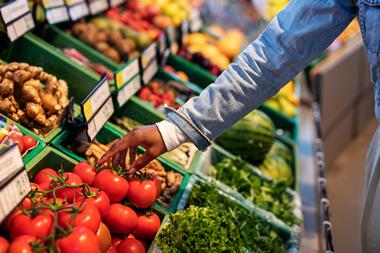
Retailers could step in here too, helping customers build a resilient kitchen, not just an emergency stockpile – for example by promoting products that can be used in everyday meals, stored safely for longer periods and rotated to minimise waste. ‘Be Ready’ bundles of the most appropriate and popular staples could reduce uncertainty among shoppers.
A recent poll for The Grocer showed that while 84% of the public are aware of the campaign, only 23% have taken action. It’s a good moment to show people the benefits, and to make it easy for them.
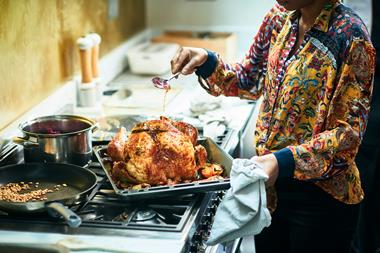
This extra support is especially needed as we head into the festive season, when money is often tight and food waste tends to skyrocket. New Wrap research shows that almost half of UK households believe festive food waste is inevitable, at a time when 61% are watching their pennies , describing their spend on main Christmas meals as ‘lowest cost’ or ‘budget conscious’.
So, whether we’re celebrating together or preparing for the worst, we could all use some help to cut food waste. Adding guidance to the Be Ready communications could save people money, reduce how much food we need to grow and import, and help make sure people have the right things at hand when the moment comes.
That’s what resilience is about. Now, who’s up for spicy popcorn coconut curry at mine tonight?
Alex Robinson is chief programmes officer at Wrap






No comments yet