




Last year, I sat in Parliament alongside my fellow Bite Back young campaigner, Jayda, and told MPs what it feels like to grow up surrounded by junk food marketing.
Together, we spoke about walking through neighbourhoods where bus stops, billboards and shopfronts constantly promote unhealthy food. We also spoke about seeing the same brands everywhere we go, while healthier food often struggles to get the same attention. Most importantly, we shared how difficult it is for children to grow up in environments that consistently support their health.
Last week, the Health and Social Care Committee published its report into food and weight management, and reading it, it felt like something important had happened. For once, it felt like young people had been heard.
The committee has recognised something we’ve been saying for years: children’s health is shaped not only by individual decisions but also by the environments around them. It is those environments that need fixing.
For too long, the debate around children’s health has centred on personal responsibility. Of course, parents, schools and individuals all have a role to play. But when one in three children leaves primary school at risk of food-related ill health, we have to ask a bigger question. What kind of environment have we created for them?
Children don’t choose where billboards are placed. They don’t decide what appears at bus stops, outside schools or at supermarket checkouts. They don’t negotiate sponsorship deals or advertising budgets. Adults do. And companies spend millions on advertising because it works.
That’s why the committee’s recommendations matter so much. They acknowledge that healthier environments don’t happen by accident – they require leadership.
One recommendation stands out above all the others: extending restrictions on junk food advertising into outdoor spaces. You cannot switch off a billboard on your walk to school. You cannot scroll past a bus shelter. These are public spaces that every child shares.
Last year, through Bite Back’s award-winning Commercial Break campaign, we temporarily reclaimed outdoor advertising space to show what our streets could look like without junk food adverts. The response from parts of the advertising industry showed just how difficult it can be to challenge the status quo. But it also showed something else. People want a different future.
This isn’t about removing every advert or telling people what they can and cannot buy. It’s about creating a fairer balance. Imagine if more of those spaces celebrated healthier food instead. Imagine if children were encouraged towards products that support their health instead of constantly being encouraged towards those that undermine it. The same principle applies inside our food system.
The role of retailers
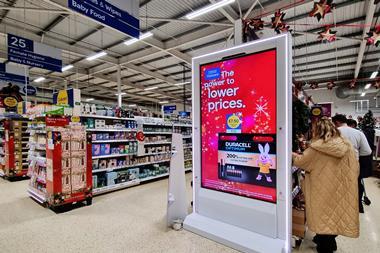
The committee’s recommendations on healthier product placement, stronger reporting on healthy food sales and improving access to healthier food recognise that retailers have an important role to play too. The government has a responsibility to set the rules, but supermarkets don’t have to wait for legislation before making positive changes.
We’ve already seen examples of retailers taking steps to support healthier choices through initiatives such as improving product placement, expanding healthier ranges and restricting the promotion of less healthy products to children. Those businesses deserve credit. But progress remains inconsistent across the sector, and too often healthier options still compete against prominent promotions, checkout displays and marketing that make unhealthy choices the easiest option.
I’d love to see every supermarket ask a simple question: if a child walked through our store today, what would we be encouraging them to choose? The retailers that embrace that challenge won’t just be responding to future regulation – they’ll be helping shape a healthier food environment and showing real leadership for the industry.
The committee also shines a light on something many young people have become increasingly aware of: industry lobbying. Over the years we’ve watched important public health policies delayed, weakened or filled with loopholes. We’ve seen restrictions announced, postponed and watered down while children’s health has continued to worsen. The report makes a compelling case that this cannot continue.
As a young person, that’s encouraging because it means Parliament has recognised the reality we’ve been living. Now comes the harder part. Acting.
Andy Burnham entered Downing Street yesterday promising to build a healthier, fairer Britain. The Health and Social Care Committee has already handed his government a practical, evidence-based roadmap for doing exactly that.
His ministers now have the chance to introduce a national ban on outdoor junk food advertising, strengthen protections for children in and around schools, close the loopholes that continue to expose young people to unhealthy food marketing, and ensure policy is guided by children’s health rather than commercial lobbying.
Young people have spent years making the case. Parliament has listened. Prime minister, the next move is yours.
Alice is a campaigner at Bite Back


No comments yet