




Launching a successful food and drink brand is hard. Two-thirds of new product launches are struggling by the end of their second year, according to Kantar. For every Tony’s Chocolonely, Dash or Little Dish, countless hopefuls never make it.
That’s why the internet is full of advice on how to launch. But much less is said about what happens next – how to follow a hit with a second act that feels both fresh and credible. The “second album” is notoriously tricky. A brand’s first product often becomes its identity, and it can be difficult to know how to build on that success without diluting what made people love it in the first place.
Yet it’s possible. Brands like Huel, Pip & Nut and Higgidy show that a great follow-up can be even more successful than the debut. The key is understanding what made the first one work – and making sure the brand, not just the product, carries that success forward.
Space to grow
Too often, young brands confuse “brand” with “product”. Founders naturally fall in love with the thing they’ve made, but the most resilient brands are built around an idea that goes beyond the product itself – a feeling, a purpose, a belief or a benefit that can travel.
When you’re ready to launch product two, you should be able to step back and ask: what are we really delivering? What is the experience or emotion we represent? If your kombucha is “good for your gut”, could your brand’s role be about “feeling good, inside and out”? Thinking at that higher level creates space to grow.
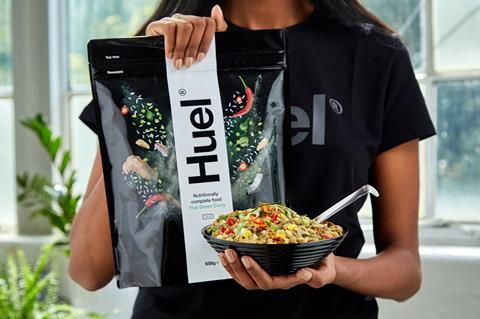
Huel is a perfect example. It could have remained a gritty powder you mix at home, known only to fitness enthusiasts. But its purpose – “nutritionally complete food” – gives it licence to move across categories, formats and channels. Bottled drinks, bars, even snacks all make sense because the brand stands for something bigger than any single product. It’s become shorthand for an entire way of thinking about food: ease, balance, nourishment. When a shopper sees Huel in a new aisle, they don’t need to be convinced it belongs there.
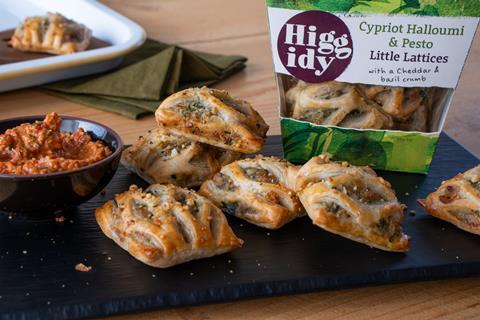
Naming plays a role too. A brand’s name shouldn’t box it in. If Tony’s ever dropped the “Chocolonely”, it could credibly move into other ethical foods. Likewise, Higgidy could easily have been “The Better-for-You Pie Co” – a charming but limiting choice. Instead, “Higgidy” evokes a mood, not a product. It’s allowed the brand to evolve from pies into quiches, rolls and other bakes while staying true to a wholesome, home-cooked ethos.
The takeaway: don’t name yourself into a corner.
Expanding horizons
Collaboration can also be a useful bridge between first and second products. Done well, partnerships bring fresh energy and access to new audiences without undermining your core. Think of Oreo, which has made brand collaborations – from Lady Gaga to Coca-Cola – a marketing art form. The best of these are genuine partnerships of equals, not just a logo swap. They work because both brands stand for something complementary, and their combination makes immediate sense to consumers.
When it comes to innovation, the challenge is balancing what you keep with what you change. Little Dish, for example, started in chilled kids’ meals but has expanded into the freezer aisle with its Superstars range – vegetable-packed nuggets that feel entirely on brand. We’ve helped them evolve the visual identity without breaking recognition: the typography, colour palette and characters all remain, even as the product format and personality have shifted. It’s a smart way of signalling “new” while retaining the trust built over years.
Finally, know why you’re making a second product at all. Supermarkets are constantly pushing brands to innovate, but a new line only works if it feels logical and relevant to your current consumer. Spend time understanding what they really value about you – not what you think they value. Do your research, talk to shoppers, and spend time in stores to see how the category really behaves. Then trust your instincts. The data can tell you what people say they want, but not always what they’ll love once it exists.
The second album is where brands prove they’re more than a one-hit wonder. The trick is to stay anchored in a clear, transferable idea that lets you evolve with confidence.
Alex Stewart is creative partner at Derek&Eric





No comments yet