




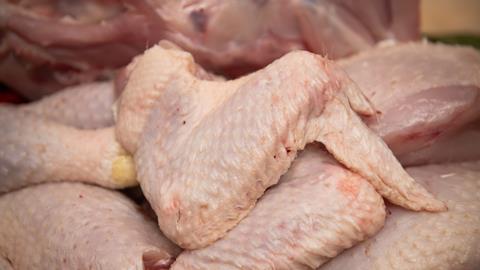
Alarm bells have been ringing across the food industry over the past week, after chicken giant 2 Sisters closed one of its factories due to food safety and animal welfare concerns.
The cause? Water restrictions imposed by South West Water as Devon – along with much of the UK – grapples with the effects of the current spell of prolonged dry weather.
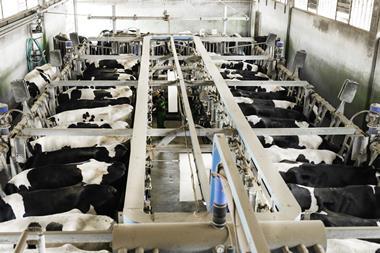
The site, which processes between 900,000 and a million chickens a week, reopened after just two days. If it had been closed for longer, thousands of birds could have been slaughtered on farm due to a breakdown in the cost-effective but highly vulnerable ‘just-in-time’ supply chain.
As British Poultry Council CEO Richard Griffiths told The Grocer: “It wouldn’t take many examples of that incident to compromise food production in the UK.
“My estimate is fewer than 20 plants provide 90% of the chicken produced in this country, so one, two, or three being affected would have a huge impact,” he added.
“We appreciate the difficulties in managing a dwindling water supply, but feel that access to water for the purposes of livestock welfare and food supply should be prioritised by the government, in the same way that carbon dioxide is prioritised.”
Water, water, (not) everywhere
Industry sources say there have been no further shutdowns since the Willand incident, but the precedent it sets is worrying. Unless new PM Andy Burnham and his government take measures to guarantee water supply to the sector, water companies continue to have their hands around the neck of British food production.
And, in a week that has seen former Southern Water boss Matthew Wright charged alongside others over an alleged plan to manipulate water quality tests, the lack of faith in water companies appears to be more than justified.
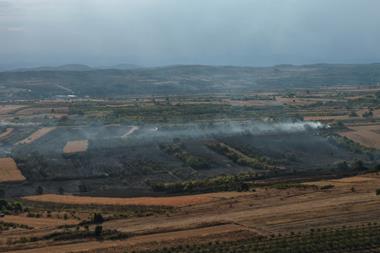
It all comes as the UK has been gripped by prolonged dry weather, with drought conditions spreading and increasingly heavy restrictions being put in place across the country. At the last count, seven water companies have now either already implemented or announced future temporary use bans for around 23 million customers.
“Dry weather depletes our water, while the hot conditions mean we use more of it,” explained National Drought Group chair and Environment Agency director of water Helen Wakeham.
It’s not a surprising statement, but it is one which needs to be taken seriously. The dwindling supply and increased demand is already hitting British food production, with cereals, dairy and brassicas among the supply chains already suffering.
And with no significant rain being forecast in the near future, the National Farmers’ Union has warned the coming days could be crucial if the UK is to avoid food shortages.
“We must strengthen resilience to climate volatility,” argues NFU deputy president Paul Tompkins.
“That means a more responsive abstraction licensing system and a consistent positive approach in planning to make building reservoirs easier, which will lead to investment in on-farm water storage.”
It’s clear that Burnham and his Cabinet must address the very real threats being posed to food production as soon as possible.
But, despite having made a strong start for retail and hospitality businesses within the food and drink sector, the issues facing farming and the broader supply chain are yet to be addressed .
Prioritising water supply as essential for food production would be a good start, but the government needs to go further and faster. If it can intervene to safeguard CO2 supplies when food security is at risk, government should take a similar approach to water.
If it doesn’t, a critical part of Britain’s food supply chain will remain hugely exposed to a risk that is becoming increasingly difficult to dismiss as a one-off.



No comments yet