






September is East and South East Asian (ESEA) Heritage Month, marking the achievements of these unique communities. One area of growing influence is their cuisine, which we predict will have a major impact on British food and drink.
As more Asian stars, such as Blackpink’s Lisa (K-pop star and White Lotus actress), resonate with Gen Zs and Gen Alphas, it’s no surprise younger generations are embracing elements of their culture – including their food. In fact, Mintel research shows nearly half of UK Gen Zs claim emerging world cuisines (such as Korean) have replaced the more established ones in their regular meal choices.
At the same time, brewing anti-US sentiment may negatively impact the yearning for American comfort foods in the long term. By 2040, Gen Alpha will be aged 16 to 30, and may not experience the same level of nostalgia for mac and cheese, hot dogs or apple pie as previous generations.
The opportunity for Asian foods
The rise of Asian food halls and supermarkets will continue to drive the shift towards their cuisine. In the UK, Asian retailers Longdan and Oseyo are expanding rapidly. The former will open the UK’s largest Asian supermarket in 2026, with aspirations to open in every major UK city.
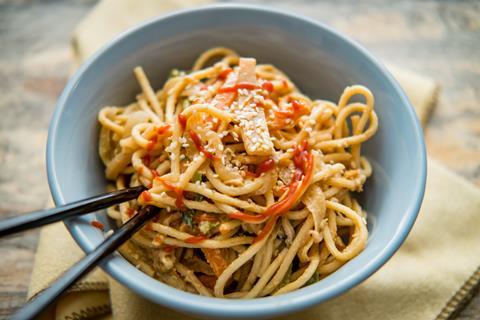
There are opportunities for brands to redefine comfort food with unique textures to support young consumers’ emotional wellbeing and indulgence, including QQ texture – a Taiwanese term described by some as ‘the Asian al dente’. Mintel research shows 43% of UK 18 to 24-year-olds turn to comfort foods to relieve stress, compared to the national average of 36%. Therefore, we expect comforting textures are set to shape the discovery of ‘new’ Asian dishes among younger, emotional eaters.
With growing numbers embracing weight-loss drugs, many Asian foods also offer ideal properties to support those on their GLP-1 weight loss journey.
These medications are known to help reduce appetite, but they may also cause side effects such as vomiting, constipation and diarrhoea. As the popularity of GLP-1 drugs grows, so will the demand for foods that don’t cause discomfort.
Users must overhaul their eating habits, focusing on smaller portions of healthy and easy-to-digest foods and avoid fried or fatty foods, ruling out many beloved American comfort food classics.
Many steamed Asian snacks offer a great solution, combining light, balanced nutrition with bold flavours and convenience. For example, Korean-style mandu highlights being a source of both protein and fibre – delivering distress-free feel-good food.
So while classic American comfort foods like burgers and fried chicken will remain popular worldwide, by 2040 Asian comfort foods could just surpass western favourites in the hearts and minds of younger consumers.
Ayisha Koyenikan, food & drink research director, Mintel








No comments yet