






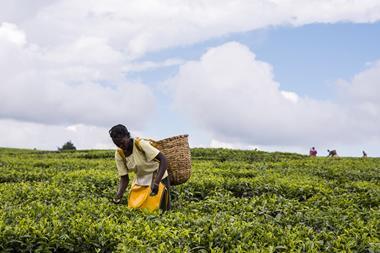
How many of us drink three to four cups, or more, of tea every day? It’s a huge number of us. Tea is the second most consumed beverage in the world after water. And yet, farmers are still struggling to get a fair deal.
There’s no clearer way to say it: the tea trade system needs to be fairer. We need tea drinkers to understand the challenges and make informed, proactive shopping choices. And we need government to develop policies and legislation that are going to actively help the people picking our tea.
The Fairtrade premium
This year’s Fairtrade Fortnight campaign, Do It Fair, is shining a spotlight on this important issue, following the Brew It Fair report launched earlier this year. As a founding Fairtrade tea brand, Clipper is a proud supporter of the campaign, calling upon the UK government to get involved.
Why now? Because climate change, heavy western consumerism and the cost of living crisis are having a huge impact on farmers and their families.
Supporting Fairtrade helps because not only do farmers get a fair wage, they have the added benefit of the Fairtrade premium, a sum of money they can spend on projects that best support their communities.
Some of the relationships we have with tea producers and gardens go back 20 years and we’ve directly seen the positive impact of Fairtrade sourcing.
In Mozambique, a country where 46% of the population don’t have access to clean water, the Fairtrade premium contributed to 55 water points added to the estate. It also helped to rebuild three schools and provide an ambulance service, which just last year transported 90 women to hospital to give birth. Before this, they had to travel by motorcycle on uneven roads.
In Assam, we’ve seen worker welfare and community infrastructure improve dramatically when tea producers start selling on Fairtrade terms.
In the past 18 months, over 2,000 tea worker families on four different Assam tea gardens have benefited from the Fairtrade premium. The schools are better. There’s running water. Wildlife and biodiversity thrives on organic gardens. One of the biggest impacts from a seemingly small investment is the 500 beds distributed to worker households. Imagine doing an eight-hour shift working in the fields, to come home and sleep on the floor.
Sustainable shopping
Fairtrade can help to mitigate the effects of climate change too. Fairtrade helps to equip farmers with the knowledge, skills and tools to farm more sustainably and protect themselves from adverse weather conditions – from flood damage to drought. This includes using organic farming methods that nourish the soil and protect wildlife.
Choosing Fairtrade and organic tea could be the difference between climate resilience and climate collapse.
What does this mean for shoppers? While recognition of the Fairtrade label is high and demand for ethical and sustainable products is still significant, people are finding it hard to balance their conscience with cost. Brands and retailers need to do more to help shoppers make the fair choice.
It doesn’t have to cost the earth – especially when the wider impact is considered. Retailers must recognise that ethical sourcing isn’t a marketing gimmick, it’s the foundation of a secure, resilient supply chain.
As a nation, we love our tea. But we’re pretty ignorant to the lives of the people behind the tea we drink. As an industry, we should all be compelled to do more and help Fairtrade spill the tea on doing it fair.
Adele Ward, Clipper Teas marketing director at Ecotone UK






No comments yet