




Over the years, I’ve watched energy drinks become deeply embedded in the sports and online culture surrounding young people.
Influencers that teenagers admire now have their own energy drink brands. Those brands sponsor major football clubs, partner with sports stars and flood social media with content designed to appeal directly to us. It often feels like young people are being targeted from every angle.
That’s why I was genuinely pleased when Keir Starmer promised to ban the sale of high-caffeine energy drinks to under-16s. In June 2024, he said selling these products to children was “not justifiable or acceptable” and pledged to stop it. A month later, the commitment appeared in the King’s Speech alongside plans to restrict junk food advertising to children. For many of us, it felt like a turning point.
As young activists with Bite Back, we’d spent years campaigning on issues affecting children’s health. Last year felt like a real breakthrough. My fellow campaigners and I sat down with ministers, shared our experiences and were told that protecting children from these products was the right thing to do. We left feeling hopeful that change was finally on its way.
Yet here we are, more than 700 days later, and the ban still hasn’t happened. According to new analysis by Bite Back, more than 280 million cans of high-caffeine energy drinks have been sold to under-16s in England since that promise was made – around 300 every minute, or five every second, while young people wait for action.
Strong public support
What makes the delay so frustrating is that this isn’t a niche campaign pushed by a handful of activists. Parents, teachers, dentists, doctors, safeguarding experts and public health specialists have all been calling for action. Eight in 10 parents support restricting sales to children. Many major supermarkets already refuse to sell energy drinks to under-16s voluntarily, and the cans themselves often carry warnings saying they aren’t suitable for children.
Teachers continue raising concerns about the impact on concentration, behaviour and learning. Health experts continue warning about disrupted sleep, anxiety and excessive caffeine consumption. The evidence hasn’t changed. The public support hasn’t changed. The only thing missing is action.
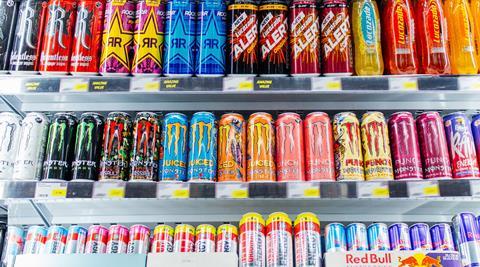
Meanwhile, energy drinks remain everywhere. Energy drink companies are incredibly sophisticated when it comes to marketing. They work with teenagers’ favourite influencers, use bright colours and collectable packaging, launch ever-sweeter flavours and position their products as part of youth culture. At school, I saw how certain brands and flavours become status symbols. Around exam season, when stress levels are already high, students are encouraged to believe these products will help them cope.
The reality of energy drinks
The reality is very different. A 500ml energy drink can contain as much caffeine as two espresso coffees and more sugar than many young people should consume in an entire day. These products can affect sleep, concentration and wellbeing, yet they’re often cheaper than healthier alternatives and available in corner shops, supermarkets and vending machines across the country.
One of my fellow Bite Back campaigners described energy drinks as “the social currency of the playground”. That’s exactly right. They’ve become normalised in young people’s lives despite widespread recognition that they can be harmful.
This is why the delay matters. Every week that passes means more children are exposed to products the government itself has acknowledged are not appropriate for them. Every month that passes undermines confidence that promises made to young people will actually be delivered. The prime minister was right when he said selling high-caffeine energy drinks to children was not justifiable or acceptable. The question now is why it’s been allowed to continue for so long.
I was especially hopeful because of my younger sister. She’s 13. When the ban was announced, I thought she might not have to spend her teenage years navigating an environment saturated with these products – that things might be different for her generation.
Instead, we’re still waiting.
Parents, teachers, dentists, public health experts and young people are all asking for the same thing: keep the promise. This is one of the simplest and most widely supported child health measures on the table. The government has already done the consultation, gathered the evidence and made the commitment.
Young people spoke up. Experts spoke up. Families spoke up.
Now it’s time to deliver.
Alice is a campaigner with Bite Back

No comments yet