



Marketing and packaging teams that sell products in the EU will have spent months poring over the fine print of the Empowering Consumers for the Green Transition (ECGT) Directive, trying to figure out what they will and won’t be able to say once it takes effect this September.
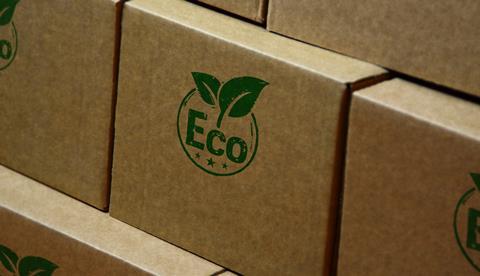
The sense of urgency is understandable. From September, businesses selling to consumers in the EU will no longer be able to rely on vague environmental claims such as “green”, “eco-friendly” or “sustainable” unless they can clearly substantiate them. The directive applies to any company that markets or sells products or services to EU consumers, regardless of where it is headquartered. It effectively bans the display of any sustainability label except those established by a public authority or backed by an independent certification scheme. Companies that fail to comply could face significant penalties, with fines of up to 4% of annual turnover.
Those certification schemes must meet minimum conditions of transparency and credibility, including the incorporation of expert and stakeholder feedback and publicly available terms. Crucially, they must also be backed by independent, third-party verification. Well-established schemes such as 1% for the Planet, B Corp, and Fairtrade are evolving their standards and updating brand guidelines specifically to align with these requirements. For many businesses, independent certification will become one of the simplest ways to demonstrate compliance.
But treating it purely as a compliance headache misses the bigger opportunity for food and beverage brands: earning back consumer trust. This has eroded thanks to too many products touting the same handful of words – green, sustainable, eco-friendly – without much standing behind them. One of the main goals of ECGT is to empower consumers at the moment they are making a decision and eliminate the ambiguity of standalone environmental logos. The end goal is to restore trust.
Trust isn’t something a brand can assume it has or deserves. It has to be earned, one honest and verified claim at a time. ECGT effectively writes that principle into law.
Brands that are strategic and courageous enough to step up and meet ECGT standards (or are already doing so) will meet consumers where they are. The 2025 Edelman Trust Barometer found 55% of people globally are more likely to buy from a brand that acts on climate change, and 53% assume a company that stays quiet is doing nothing – or worse, hiding something. Half still believe business isn’t doing enough.
For brands whose sustainability claims are vague or unsubstantiated, ECGT will be uncomfortable. Some will quietly retreat from environmental messaging rather than do the work to back it up. Meanwhile, brands willing to get precise and prove what they claim will pull ahead.
Finding the evidence to support environmental claims
We see this play out in real time among the thousands of businesses in our network that have already baked verified commitments into their operations. Sports nutrition brand Chia Charge, for example, saw a 160% increase in sales after building its 1% for the Planet certification into product listings and customer communications.
Of the certified businesses we work with, 86% report improvements in brand perception, while 70% report year-over-year revenue growth. While many factors influence commercial performance, the impact of authentic and measurable commitments on brand trust has become hard to ignore.
The point here is not simply that these brands make environmental claims, but that those claims are supported by evidence that is independently verified and stands up to consumer and regulatory scrutiny.
This is why brands should resist the urge to see ECGT through a purely legal lens.
The winners in the next era of sustainability storytelling will not be those that shy away from environmental action or delete claims from their packaging. They will be the brands that embrace a new standard of transparency, ensuring every claim can be evidenced, verified and trusted. Brands that do so will be better positioned to earn trust, build loyalty and stand apart in crowded markets.
The directive won’t kill sustainability storytelling in fmcg, but it will weed out the questionable players. This is great news for consumers, who can finally trust that a green claim means something again, and for brands already doing the work, who are leading with a real competitive advantage.
As for the rest? They have little more than a month to catch up.
Jaclyn McCarthy is director of brand strategy at 1% for the Planet





No comments yet