


Functional drink brands
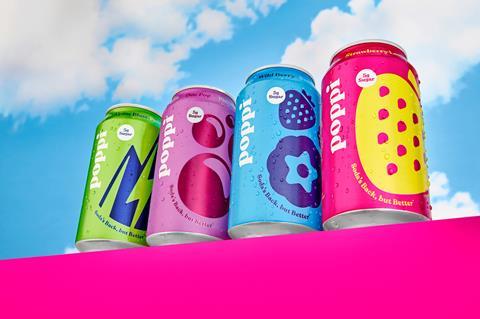
The recent news that the launch of Poppi in the UK has turbocharged the popularity of probiotic sodas and the wider functional drinks category has highlighted a paradox.
With the functional beverage category projected to surpass $200bn within the decade, wellness has never mattered more to consumers. Yet the success of the likes of Poppi means that the functional drinks category is leaning toward the same sugary-sweet colour palette and cues as confectionery and energy drinks.
But new brands especially have a chance to weave a different narrative and use the emerging sea of sameness as a chance to stand out. These brands need to stop copying what has worked for others and dare to forge their own approach.
Swedish prebiotic soda brand Tummi, for example, is more slow-living than showiness, more wholesome and crafted than primary-coloured attention-grabbing.
It shows what a little confidence and a strong sense of self can deliver: a proposition that helps the category evolve while giving the brand a distinctive place of its own.
Johanna Augustin, CEO & partner, Pond Design
The Farming Roadmap
The government’s recently published Farming Roadmap is, on its face, a welcome (if long-awaited) development.
There is a fair bit to be cautiously optimistic about within the roadmap, but a closer look reveals a gap between the issues the document identifies and how it suggests they can be addressed.
British farmers currently produce only around 65% of the food we consume. We are not a self-sufficient nation. Yet the overarching goal set out in the roadmap is merely to “maintain domestic food production”, not grow it.
The roadmap itself offers the rebuttal. In the government’s own words, “the most resilient farms are profitable precisely because they work with the environment, not against it”. A sustainable increase in production is not only possible but desirable.
What is missing is the confidence to say so. Policymakers should set out an integrated vision in which food production and environmental stewardship advance together.
British agriculture has the talent, innovation and land to feed more of its own population. This roadmap was the moment to back that ambition, and it falls short.
Maddie Dunn, legal director & agricultural dispute resolution specialist, Charles Russell Speechlys
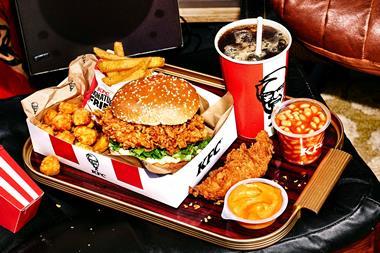
Burnham should bring in outdoor junk food ad ban
Last year, I sat in Parliament and told MPs what it feels like to grow up surrounded by junk food marketing.
Now the Health and Social Care Committee has published its report into food and weight management, it feels like young people have been heard.
For too long, the debate around children’s health has centred on personal responsibility. But when one in three children leaves primary school at risk of food-related ill health, we have to ask a bigger question: what kind of environment have we created for them?
Children don’t choose where billboards are placed. They don’t decide what appears at bus stops, outside schools or at supermarket checkouts. Adults do. And companies spend millions on advertising because it works.
One recommendation stands out: extending restrictions on junk food advertising into outdoor spaces.
The government has a responsibility to set the rules, but supermarkets don’t have to wait for legislation before making changes. Every one could ask a simple question: if a child walked through our store today, what would we be encouraging them to choose?
Andy Burnham entered Downing Street promising to build a healthier, fairer Britain. The Committee has already handed his government a practical, evidence-based roadmap for doing exactly that.
His ministers now have the chance to introduce a national ban on outdoor junk food advertising. Young people have spent years making the case. PM, the next move is yours.
Alice, campaigner, Bite Back

No comments yet