


£2.4bn of investment could be needed to secure a resilient and sustainable future for UK dairy, industry group the Dairy Roadmap has revealed.
The group’s new ‘Sustainable Dairy Pathways: The Path to 2030’ report said slurry and manure infrastructure was expected to swallow much of the required investment, alongside improvements to energy systems and water protection.
However, pointing to steps taken by the dairy sector to reduce its environmental footprint over the past few decades – such as the 22% drop in greenhouse gas emission per litre of milk achieved since 1990 – it warned the key challenge facing the sector was no longer a case of “knowing what to do” but “scaling the solutions that are already working”.
Published this week, the report echoed Minette Batters’ Farming Profitability Review by showing the transformation could only be accomplished through collaboration between stakeholders across government, industry and finance.
To accelerate progress, it identified four priorities: doing more of what works to increasing the uptake of proven practices; investing in infrastructure and tech that deliver measurable impact; preparing for emerging innovations and opportunities; and creating the policy, finance, data and advisory support needed.
“[It] identifies the actions, investment and partnerships needed to build on the progress already made while continuing to provide nutritious food, support rural communities and contribute to UK food security,” said Arla Foods UK MD and Dairy Roadmap chair Bas Padberg. “Most importantly, it shows that many of the solutions already exist. The priority now is scaling what works.”
Additionally, the report showed the UK dairy sector produces around 15 billion litres of milk a year and supported more than 50,000 on-farm jobs as well as a further 22,500 in the dairy processing sector.
This, the Dairy Roadmap said, demonstrated the vital role the sector has to play in delivering a low-carbon, climate resilient and nature-positive food system while maintaining food security.
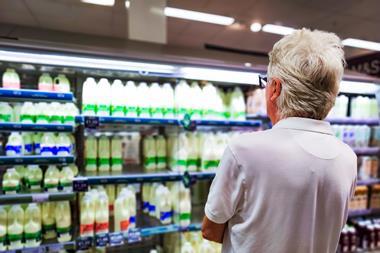
“We must always remember that dairy is at the heart of the nation’s diet, with 99.6% of households having bought dairy produce in the past year,” Padberg added. “This independent report demonstrates that environmental improvement and efficient food production can go hand in hand.”
The report arrives during a difficult period for the dairy sector. In addition to soaring input costs due to the Iran War, the industry been impacted by prolonged dry weather and extreme heat as well as surging bluetongue cases.
David Homer, chair of the Sustainable Dairy Pathways Task and Finish Group, said these factors were “already affecting animal welfare, productivity and farm resilience”.
It also comes after the National Audit Office warned the UK risked being blindsided by a major food supply emergency, and called for Defra to do more to “encourage businesses, households and communities to strengthen resilience”.
However, pointing to the report and its recommendations, Homer said it “represents a collective vision for the future of UK dairy”.
“For the first time, the whole value chain has come together behind a practical pathway to 2030, bringing together existing evidence, recommendations and proven actions into a single plan for accelerating progress,” he added.




No comments yet