
Close menu
- Home
- Retail & Wholesale
-
Products & Suppliers
- Back to parent navigation item
- Products & Suppliers
-
Product Categories:
- Back to parent navigation item
- Product Categories:
- Alcoholic drinks
- Bakery
- Cereals & breakfast
- Cheese
- Chicken & poultry
- Chocolate
- Confectionery
- Crisps, nuts & snacks
- Dairy
- Fish
- Fresh produce
- Frozen
- Household
- Meat
- Own Label
- Sauces & condiments
- Seasonal
- Soft drinks
- Vaping
- Vegan & plant-based
- World foods
- Suppliers
- People
- Reports & Data
-
Topics A-Z
- Back to parent navigation item
- Topics A-Z
-
Popular topics:
- Back to parent navigation item
- Popular topics:
- Cost of living crisis
- Crime
- Deposit Return Schemes
- Finance
- Government & Regulation
- Health
- Inflation
- Loyalty
- Marketing
- Mergers & Acquisitions
- New Product Development
- Sourcing
- Supply chain
- Sustainability & environment
- Technology
- Ultra Processed Foods
- Vaping
- A-Z all topics
- Content by type:
- Events
- Ask iA
- Subscribe now



Coca-Cola World Cup marketing effort scores bigger-than-expected rewards
By Dominic Bernard2026-07-28T13:44:00
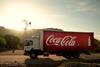
Coca-Cola has smashed market expectations in its second quarter thanks to a marketing blitz ahead of the recent World Cup, where Powerade sponsored the contriversial hydration break in every match.
The drinks behemoth reported a 7% jump in net revenues to $13.4bn (£11.5bn), as a 5% rise in volumes powered a 6% increase in organic sales. Analysts had predicted organic growth of 3.5%.
Already have an account? Sign in here
Already have an account? Sign in here