





Food businesses need to focus on long-term resilience as they face ever more frequent extreme weather events, according to Riverford Organic Farmers.
The organic vegetable box company said industry had to take practical steps to protect works, produce and customers during periods of intense heat.
In Riverford’s case, the business had adapted its operations through measures such as earlier starts for harvesting and deliveries, ensuring drivers had access to water, and using air-conditioned, predominantly electric vans – among others, it said.
The company has also invested in more efficient irrigation systems on farm, and is exploring rain-fed reservoirs to improve water security, while its organic practices build soil health.
However, Riverford CEO Rob Haward said resilience “starts long before a heatwave arrives”, and asserted organic farming systems were better able to cope with periods of extreme heat and drought.
“Higher levels of organic matter and using cover crops and green manures help soils retain moisture, while deeper-rooting crops rely on soil water and nutrition rather than synthetic fertilisers, making them better able to withstand weather extremes,” he added.
“We’re likely to see this sort of weather more often in future, and the UK needs a diversity of farming approaches if we’re going to build a resilient food system that can withstand both climatic and geopolitical shocks,” Haward added. “Organic farming has an important role to play in that future.”
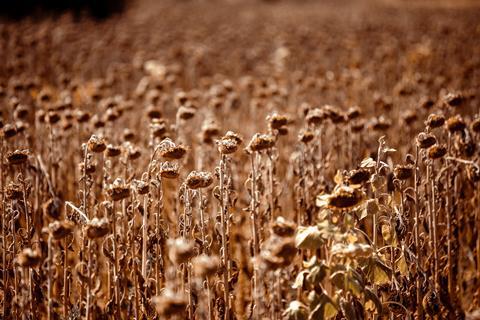
Riverford’s announcement comes as the UK has been hit by another heatwave, with the Met Office forecasting June’s record high could be broken and releasing a rarely seen red warning for extreme heat.
It also follows an NFU plea, urging the government to help farmers and growers become more resilient to increasingly extreme weather, 50 years on from the 1976 drought.
“Seventy-eight per cent of farmers and growers say they’ve seen an increase in frequency of severe weather events in the last 10 years,” said NFU deputy president Paul Tompkins.
“The reality on farm is stark. Fields that produce wheat for the nation’s bread can be underwater one year, then parched and cracking the next,” he added. “Livestock fields swing from flooding to scorching conditions with little grass growth to feed the cows and sheep that make our landscape.”
“This volatility is not just challenging, it’s costly,” Tompkins added. “Farm businesses report average losses of more than £40,000 as a result.”






No comments yet