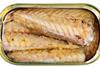
Mackerel prices have increased by an average of 25.1% over the past year thanks to tightening supply and higher demand.
According to analysis of Assosia data by The Grocer, some 67 out of 79 lines in the traditional big four, discounters, Ocado and Waitrose have increased by between 5% and 92% over the past year [Assosia 52 w/e 20 January 2026].
This annual price hike has been driven by a slew of price increases by the major multiples across the last few months of 2025.
The biggest increases were at Ocado where its chilled Sound Seafood Mackerel Fillets (2x90g) increased by 92% in a year, from £2.75 to £5.28.
Its tinned Fish 4 Ever Mackerel in Spring Water (125g) also saw a big jump in price, by 73.5%, from £2.45 to £4.25. Both lines additionally experienced the largest increases over the past few months with the two lines becoming 65% and 44.1% more expensiver respectively since November.
Waitrose also experienced significant price increases with three of its tinned Essential Mackerel Fillets SKUs increasing by 55% in the past 52 weeks. These lines, along with an additional Essential line, increased by 44% in the last few months alone.
A slew of price increases across the retailers in the autumn has led to 17.7% average increase in the past three months, with 53 out of the 89 lines available then and now increasing by more than 10%, with 30 up by more than 30% [Assosia 14 w/e 20 January 2026].
Read more:
-
British consumers want to eat more British fish, study finds
-
New northeast mackerel agreement questioned by MCS and Oceana
-
Norway and Russia to cut northeast Arctic cod quota by 16%
A Morrisons spokesperson attributed the price rises largely to tightening supply due to the decline of the northeast Atlantic stocks and significant catch reductions.
“These lower quotas are already feeding through into reduced availability from key producers like Norway and the UK,” said the spokesperson. “At the same time, global demand remains strong, particularly from Asian markets, so reduced volumes are driving higher prices.”
This was echoed by UK country director of the Norwegian Seafood Council, Bjørn-Erik Stabell, who said this combination of shrinking supply and increased global demand “has led to a situation where there is not enough mackerel”.
“Since the scientific advice is only for one year at a time, it is not possible to say if the quotas will increase in 2027 or not at this time,” he added.
In December, the UK, Faroe Islands and Norway agreed to cut catches of mackerel by 48% compared to the level allowed in 2025, although the International Council for the Exploration of the Seas recommended a deeper cut of 70%.
Although significant, the cuts to quota do not go far enough according to Marine Conservation Society UK, who said more were needed to help safeguard stocks and protect fishing industries.
“Quota reductions may push prices up for both industry and consumers,” said Brooke Schlipf, Good Fish Guide ratings officer. “However, continued overfishing will make the future of this stock increasingly uncertain, which is why aligning quotas with scientific advice is essential for a healthy, viable fishery in the long term.”
“While retailers have seen upward pressure on mackerel prices, they are working closely with suppliers to continue to provide good value and responsibly sourced seafood to consumers,” said Andrew Opie, director of food and sustainability of the British Retail Consortium.
All retailers were approached for comment.


No comments yet