


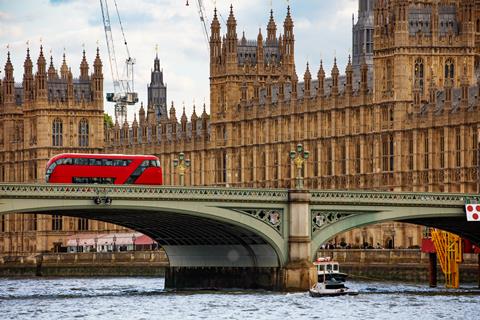
MPs have urged the government to bring in legislation to protect farmers from lower standard imports in two days of debates at Westminster.
The Animal Welfare Strategy (AWS) outlined a series of high-profile commitments, such as ending cages for laying hens and banning farrowing crates for sows – but there are concerns over a lack of binding timelines, interim milestones and delivery plans.
Concerns were raised by former Liberal Democrat leader Tim Farron, who said that the strategy “fails to adequately consider domestic food security and competitiveness, which are crucial to maintaining and extending our strong animal welfare culture in the UK”.
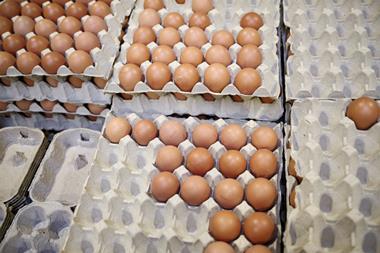
These concerns echo those raised by the farming community, especially by the particularly impacted egg industry. British Egg Industry Council CEO Nick Allen told The Grocer that the policy “risks simply exporting food production overseas, significantly raising the number of imports”.
Former Conservative defence and education minister Gavin Williamson added: “We do not wish to see low-welfare meat coming into this country with the consequence that our industry is replaced, British jobs and British producers are taken away, and more animals are killed at welfare standards that are substantially below the welfare standards we have in this country today.”
Trade agreements, such as those with New Zealand and Australia, signed under the previous Conservative government, were singled out for criticism. The question of Ukrainian egg imports also raised its head after the controversial extension of the embattled country’s free-trade agreement on 19 January.
Labour backbencher Sam Carling, who moved for the second motion on imports, added: “This government have been clear that worsening our animal welfare standards and allowing imports of low-welfare goods is a red line for us. However, that raises a question: why do we not legislate to make sure of that?
“I trust this government, but I cannot say I trust future governments, and I do not trust the trade deals that sadly are already in place.”
The policy was defended by minister for food security and rural affairs Angela Eagle, who said that the government would not allow the UK’s legacy for high standards to be “undermined through the back door by trade policy”.
“We will protect our farmers, uphold our standards and back British food at home and abroad,” she added.
Read more:
-
Brits want food label transparency, Four Paws UK report says
-
‘Haymaker’ Ukraine egg deal not a good look for government
-
UK-Ukraine free trade deal condemned by UK egg industry
Animal rights groups have joined the calls for clearer timelines and accountability as scrutiny has intensified.
“Without that clarity, there is a risk that well-intentioned commitments take longer than necessary to deliver real change for the animals who need it most,” executive director of Animal Equality UK Abigail Penny said.
It comes as the Norwegian poultry industry announced it would be phasing out the usage of fast-growing chicken breeds last week.
While animal rights groups have called on British poultry to do the same, the British Retail Consortium warned there needed to be a “balance” between welfare and cost.
“UK welfare standards are increasing across the board in types of breeds and increased space for birds,” said Andrew Opie, BRC director of food and sustainability. Despite some supply issues, he praised recent amendments to the planning system that would allow “UK production to keep pace with demand”.
Opie warned, however, that retailers could not lose sight of the added cost to consumers.
“Ultimately, what consumers want is key,” Opie said. “They want higher animal welfare, and retailers will respond to this, but this must be balanced against affordability.”


No comments yet