



Nearly one in four new product launches across food and drink now contain a functional claim, according to new data from Mintel.
The share of global food and drink NPD featuring functional claims has risen from 17.1% in 2022 to 23.8% in 2025, Mintel’s Global New Products Database shows. In the UK, some 10% of food and non-alcoholic drink launches in the 12 months to May featured such claims, up two percentage points year on year.
Energy, muscle and weight management, immune, digestive and bone health were the most common claims referenced in NPD launches, Mintel said. Claims linked to energy, gut health and the brain and nervous system were the fastest-growing in the year to May.
Energy and digestive claims featured on 3% and 2% of UK food and non-alcoholic drink launches respectively in the past year, up from 2% and 1% the year prior. Meanwhile, 7% of all UK non-alcoholic drinks launches in the 12 months to May 2026 featured a claim relating to the brain and nervous system, up from 4% the previous year.
“Against a backdrop of strained household finances and weak consumer confidence, functional claims can be an effective way for brands to demonstrate tangible value and justify their place in shopping baskets,” said Emma Clifford, Mintel associate director for UK food & drink. “The growth of functional claims taps into how consumers are not simply cutting back or limiting unhealthy ingredients, but actively seeking products that deliver tangible health benefits.”
Hydration ‘white space’
Hydration is also a growing functional claim, with 6% of UK non-alcoholic drinks launches mentioning electrolytes, up from 3% the previous year. Electrolytes had “moved beyond sports drinks” and were now appearing across a range of carbonated soft drinks, said Clifford.
“With enhanced hydration NPD largely limited to drinks, there is clear white space for food,” said Clifford. “Everyday foods can dial up their relevance by showing people how they contribute to hydration in a way that fits easily into their existing habits.”
Some 3% of new launches featured explicit claims linked to beauty or skin/hair/nails, up from 2% the previous year. There was “significant scope for food and drink to capitalise further on ‘beauty from within’ opportunities,” said Clifford.
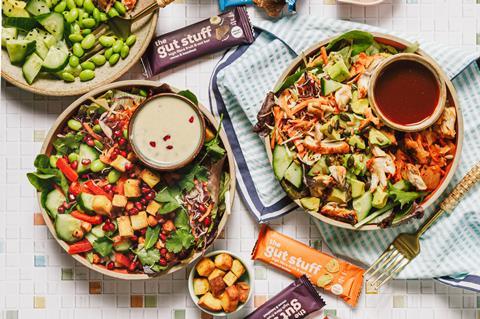
Meanwhile, the continued expansion of gut health into new categories has led to an increase in brands looking to take advantage of the “fibremaxxing” trend. In January, for example, Warburtons unveiled Fibre Fix, a bakery range aimed at shoppers seeking to boost their fibre intake.
However, some launches have faced scrutiny for trying to take advantage of the trend, without providing meaningful health benefits. Poppi’s range of sodas, launched in March, do not contain enough fibre to make a probiotic claim on pack.
“There is a growing need [for brands] to go beyond ‘high fibre’ claims to stand out in the increasingly crowded gut health space,” added Clifford.



No comments yet