





Reckitt Benckiser has moved a step closer to selling off its Mead Johnson infant formula business, after winning a bellwether court case in the US federal courts.
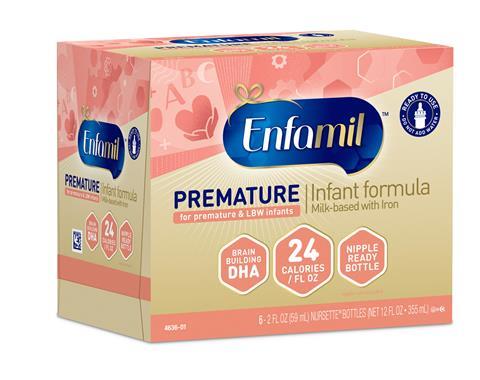
Mead Johnson has been embroiled in court cases across the US alleging its Enfamil preterm infant formula was linked to a deadly bowel disease: necrotising enterocolitis.
But the business won an important victory as a federal jury in Illinois on Monday (31 August) determined unanimously that Mead Johnson had no liability on two core tests dealing with product design and on its responsibility to warn consumers.
The ruling in the US multidistrict court – which speeds up litigation spread across various smaller regional courts by moving civil lawsuits to a single judge for early court steps – was the last jury verdict Reckitt will face, with no further state court hearings due until late November. Juries in two previous state cases ruled in favour of Mead Johnson, with one ruling against the business later reversed on appeal.
The decision has now cleared the path for a favourable settlement for Mead Johnson – and, with it, Reckitt’s divestment of the business, which analysts expect could now come by year end. Jefferies analyst David Hayes said a private equity suitor was most likely, though any buyer would have to be “politically acceptable” given the business’ roughly 40% market share of infant formula in the US.
Reckitt has sought to carve out the business for the past two years, after declaring it non-core in July 2024, yet ongoing uncertainty over legal proceedings made it difficult to value.
Shares in Reckitt jumped more than 4% this morning on the back of the ruling.
“Today’s verdict affirms Mead Johnson’s view that the science doesn’t support the claims here or in the litigation more broadly,” said Mead Johnson.
“We strongly reject any assertion that any of our products cause NEC, and we will continue to vigorously defend ourselves against all such claims in the interest of safeguarding the health of premature babies.”
Hayes called the ruling a “key positive update” for Reckitt, with settlement discussions now front and centre.
Jefferies had previously assumed around £600m of liability, though according to Hayes that figure could now be seen as being “too high” in light of the win.
Co-defendant Abbott agreed to pay $670m (£495m) in August to resolve around 2,000 lawsuits over its own preterm infant formulas. It did not admit liability. Reckitt’s market share is less than Abbott’s.
Barclays analyst Warren Ackerman likewise thought the ruling was “clearly good news” for Reckitt.
“In terms of next steps, we will wait to see if there are any grounds for appeal, but given it is unanimous it is hard to see what they might be,” he said.
“As such, Reckitt may look to settle for a low amount given a jury has said they do not have liability, and it can approach settlement from a position of strength.”
His estimates for Reckitt’s potential financial liability ran to around $500m.
“Given the [ruling] in Reckitt’s favour and Abbott’s lower settlement amount, we think this now looks high. Ultimately, we view this verdict as a step closer to a Mead Johnson exit. The question will quickly move to who will acquire it and for how much.”
Reckitt acquired Mead Johnson in 2017.







No comments yet