




Brits using GLP-1 weight-loss drugs slashed a total of £780m off their annual shopping bill, equivalent to 299 million fewer units purchased.
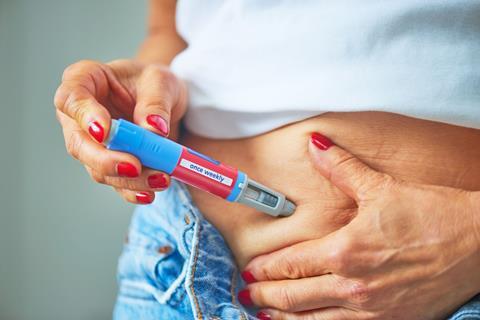
Nearly two million British adults now take the appetite-suppressing drugs. According to Worldpanel estimates the proportion of households with a GLP-1 user has nearly tripled over the past two years to 6.3%.
Widespread adoption of GLP-1s is now “fundamentally disrupting” how people engage with food and drink, according to Worldpanel head of public sector and nutrition Chantel Kennaugh.
“What was once a specialised treatment, primarily prescribed for type 2 diabetes, has in just a few short years become a mainstream force. Now, 68% of users are taking GLP-1s specifically to lose weight, opening them up to a much wider audience,” she explained.
“These drugs are fundamentally disrupting how people engage with food and drink, with ripple effects already being felt across grocery and lifestyle, forcing brands and businesses to adapt at pace.”
Women were significantly more likely to adopt GLP-1 jabs, accounting for 77% of users in Worldpanel’s poll of 11,500 households.
The market data firm said the impact on grocery sales had been “significant”, as users curbed their grocery spend and changed buying habits altogether.
Over half of users (54%) said they felt fewer cravings and ‘food noise’, with a tenth (11%) no longer able to enjoy their normal favourite food and drinks.
The toll was particularly focussed on typical indulgences: 75% of users said they were cutting back on chocolate, and 72% had cut back on crisps. Users spent 18 percentage points less than non-users on chocolate confectionery in the year after adoption.
But users haven’t just cut down – many have switched spend to other areas. ‘Ozempic mouth’ – as the drugs’ reported side-effects of a dry mouth and bad breath is known – has helped drive a 20 percentage point uplift in mouthwash spend, and a 24 point bump in chewing gum sales.
“The picture ahead is complex. While 72% believe GLP-1 medications are being adopted too quickly without sufficient understanding of their long-term effects, growth shows no sign of slowing,” said Worldpanel senior consultant Nishita Pattni.
“Rising adoption in markets like the US, combined with continued innovation, points to even faster uptake. As these drugs reshape user needs, consumers will increasingly look to retailers and manufacturers for support and guidance.”
The Grocer Health Summit 2026 is helping the industry turn healthy eating insight into action. Covering everything from regulation to reformulation and science to strategy, the one-day conference will be taking place on Tuesday 15 September 2026 at the QEII Centre in London.
Visit thegrocerhealthsummit.co.uk to book your tickets and find out more.






No comments yet