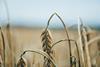
drought dry wheat crop

With the devolved nation on track for its driest July in nearly 200 years, operations on farms across the agricultural spectrum have been hit

Welsh farmers are feeling the heat as the nation struggles to cope with rising temperatures and dry weather, according to industry leaders.

With the country on track for its driest July in nearly 190 years, operations on farms across the agricultural spectrum have been hit, echoing what has been seen throughout the rest of the UK.

In the arable sector, elevated temperatures alongside a lack of water have negatively impacted crop yields and caused harvests in some places to fail. 

For livestock farmers, stunted grass growth has left their animals with nothing to eat, forcing many to dip into their winter food stores to feed them.

It comes after parts of the country were placed into ‘drought’ status last week, triggered by the effects of back-to-back heatwaves. Wales has only received around 5% of its average July rainfall so far, with the number as low as 2% in north Wales and the Upper Severn.

“We’re basically putting a sticking plaster over a wound,” warned NFU Cymru president Abi Reader, adding that “lots of ponds, streams and boreholes are drying up”.

“And then costs are rising because of this,” she added. “Farmers are maybe having to buy in extra feed, or cart in water, or they’re not getting the economies of scale that they would have got from harvesting a much smaller crop.”

Reader added: “When the rain does come, it doesn’t mean that the problems are instantly solved – it’s going to take many, many weeks, if not months, for ground to recuperate and soils to return to some sort of normality.”

Milk yields on Reader’s own farm were down 9% over the past seven weeks. “That’s quite considerable, but there’ll be different extremes,” she added. “Certainly, the north of Wales has had the worst of this at the moment.”

The extreme weather has not only impacted grass growth and feed supplies, however, with it also taking a toll on livestock health.

“Lower grass quality and availability are also affecting ewe body condition scores, with potential consequences for fertility, scanning rates and overall flock performance,” said National Sheep Association policy manager Michael Priestley.

“If prolificacy of stock is challenged this will impact on next year’s lamb crop,” he added. “As it did this year after the dry spell in 2025.”

Priestley added: “While the full impact on food production will depend on how long conditions continue, lower productivity and earlier livestock sales could reduce output and increase pressure on future lamb supplies.

“The sector is working hard to adapt, but prolonged drought highlights the need for greater resilience.”

Responding to the situation, Reader and Priestley called for a range of measures, from stressing the importance of government support payments to opening more land for foraging and helping farmers purchase feed, among others.

But they also called for greater water security, echoing meat and poultry sector leaders who last week called on the UK government to safeguard water supplies after a 2 Sisters plant was forced to shut down for two days due to water company restrictions.

“Support is needed to improve on-farm water security, including investment in water storage, tanks and reservoirs, alongside longer-term measures to help farms manage climate extremes,” Priestley urged.

“If we’re all agreeing that food security starts with water… then we need to make sure food production is prioritised,” Reader continued. “And that should be the same, whether it’s at the farm, in the processing site or further up that food supply chain.”

The Welsh government was approached for comment.