




The Grocer’s Top Products Survey 2025 in association with NIQ found these products to be the most significant in terms of volume lost and gained over the past year.
Some represent the end of a booming era, others the beginning of one. And some, simply a righting of the category after exceptional performances in previous years.
The Winners:
1. Nicotine replacement
▲ 23.8%
Nicotine replacement’s performance has been driven by soaring demand for nicotine pouches and major investment by Big Tobacco.
Dive into the Vaping & Tobacco report here.
2. Ambient ready meals
▲ 13.9%
Innovative, healthy and posh launches by brands have driven the rise of ambient ready meals – a convenient option for Brits returning to the office.
Read more on Ready Meals in 2025 here.
More from Top Products 2025:
-
How the psychology of price hikes has played out on shelves
-
Beef, BuzzBallz and bacon: the winners and losers of 2025
-
How HFSS rules will make ad creatives work harder
-
The best product launches in every fmcg category for 2025
3. Bottled water
▲ 12.8%
A long hot summer combined with Brits’ healthier beverage choices to push 390.4 million extra litres of bottled water through tills this year.
Read the Bottled Water report here.
4. Flavoured milk
▲ 10.0%
Gut health, protein and caffeine have been key ingredients for iced coffees, milkshakes and the like. Taste has also been a major grower of sales.
Find out about Brits’ Dairy Drink preferences here.
5. RTD cocktails
▲ 9.4%
Innovative, convenient and ripe with agile challengers, the RTD cocktails category has been the biggest star of supermarket booze aisles this year.
Read the Spirits report in full here.
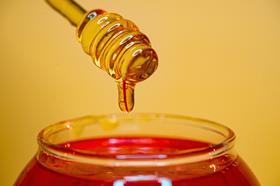
6. Honey
▲ 7.3%
Spicy honey is booming: #hothoney has amassed more than 100 million TikTok views over the past year, driving demand for chilli-infused lines.
Find out more about Jams and Spreads here.
7. Sports & energy drinks
▲ 7.0%
There’s no stopping the powerhouses of the sports & energy drinks market. The likes of Red Bull and Monster continue to drive serious sales.
Read more about 2025 in Sports & Energy Drinks.
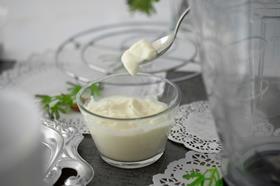
8. Yoghurt
▲6.6%
The trends for natural fats and gut-friendly food have been instrumental to yoghurt’s rise. Plain, full-fat options have done much of the heavy lifting.
Tune in to the year in Yoghurt here.
Drinking yoghurt
▲ 6.4%
As with yoghurt, the ongoing gut health craze has been a boon for yoghurt drinks. The category has shifted an extra 6.8 million kilos.
Find out about Brits’ Dairy Drink preferences here.

Garment care
▲ 5.7%
Garment care’s ascendency is the result of innovative product launches and cash-conscious Brits’ desire for their clothes to look good for longer.
Check out our report into Household Cleaning here.

The Losers:
1. Loose tobacco
▼ 22.0%
Rolling baccy has taken a beating. It’s down a million kilos after average price per kilo soared 16.2%. That led to a £289.7m loss.
Dive into the Vaping & Tobacco report here.
2. Vaping
▼ 18.7%
Vaping’s decline is largely the result of the June ban on sales of disposable devices. Big names like ElfBar and Lost Mary have suffered accordingly.
Dive into the Vaping & Tobacco report here.
3. Cigarettes & cigars
▼ 12.5%
Smoking is a nasty habit. It’s expensive, too. A pack of ciggies now costs an average of £14.50. That’s 7.4% pricier than last year.
Dive into the Vaping & Tobacco report here.

4. Canned pasta
▼ 8.3%
In a glum year for tinned food, pasta put in the saddest performance. A rise in scratch cooking and worries about highly processed food did for it.
Read all about the year in Canned & Ambient here.
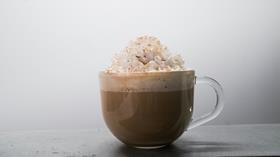
5. Hot chocolate & malted drinks
▼ 7.0%
A lack of innovation and stiff competition from more fashionable hot beverages meant hot chocolate and the like shed 1.6 million kilos.
Check out our Hot Beverages report here.
6. Paediatric analgesics
▼ 6.9%
Sales of pain relief for children have slumped by 2.2 million packs. Own label has borne the brunt, seeing volumes dive 12.2%.
Read into the Personal Care report here.
7. Meat-free
▼ 6.5%
The alt-meat market has been hit hard as casual shoppers fell away in droves, put off by high prices and long ingredients lists.
Find the detail of the year in the Meat-free category here.

8. Cough, cold & flu
▼ 6.5%
Growing preference for preventative healthcare, such as vitamins and supplements, is just one reason for the decline in cough, cold & flu lines.
Read into the Personal Care report here.
9. Babymilk
▼ 6.4%
Birth rate in the UK remains low – and the price of baby formula remains high, largely as the result of meaningful competition and ban in deals.
Read more about the Baby and Infant Care category.
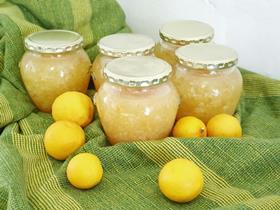
10. Jams & preserves
▼ 5.1%
The sugary nature of most jams & preserves was a disadvantage for the category, as Brits turned to healthier nut butters and trendier honeys.
Find out more about Jams and Spreads here.





No comments yet