







Social media continues to evolve, making true engagement tricky. Dairy brands are using canny partnerships and authentic content to stand out
Is Susan Boyle really making a comeback? That was the question doing the rounds on social media last May, when the Britain’s Got Talent star stepped out with a blonde bob and chic sunglasses, channeling former Vogue editor-in-chief Anna Wintour. Perhaps most notably, Boyle was also wearing a stylish fur coat. In a 35-degree heatwave.
The image sparked speculative headlines in the national media, but it soon emerged SuBo’s hot new look was part of a campaign promoting her house-inspired recording of Just One Cornetto.
For Cornetto owner The Magnum Ice cream Company, this was a prime example of how social activity can build hype and excitement for a brand.
“Social media has fundamentally changed how consumers discover, engage with and ultimately buy food and drink,” says Louise Morley, the supplier’s ice cream marketing director. “In ice cream, it has become an increasingly important way for brands to inspire trial, create new consumption occasions and stay relevant.”

Yet in a sea of content, achieving true engagement on social isn’t easy, even when partnering with influencers. Fewer than one in 15 pieces of creator content deliver both audience engagement and return on marketing investment, found Kantar analysis this summer of 15,000 branded creator assets on TikTok, YouTube Shorts and Instagram.
So, just how important is social marketing to dairy brands? And what is it that makes some content cut through while other posts barely register?
“There is a huge appetite for authentic, educational food content when told the right way”
A powerful social media moment can completely transform a brand. Little Moons is a standout example of this. In early 2021 – when the UK was in the throes of lockdown – TikTok posts about hunting down the mochi ice creams in “big Tesco” went viral.
“I think every brand wishes that could happen,” says Milly Tuck, head of brand marketing at Little Moons. For her, it was a moment that captured the mood of the UK, which was largely housebound aside from trips to the supermarket. “It was almost the perfect storm for what was going on and how people were feeling. People weren’t finding much joy in their days and the food shop became this source of discovery and joy. We got lucky.”
By February 2021, videos using the hashtag #LittleMoons had gained over 19.5 million views. That translated to a huge spike in sales. The brand reported weekly sales had soared by over 700% in Tesco compared with an “average” week in December 2020.
The social trends putting dairy in the spotlight
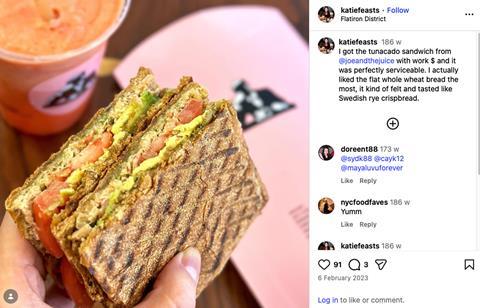
The super sandwich
The Tunacado is the signature sandwich of Joe & the Juice outlets on UK high streets. But it’s more than just bread with a filling. Made with a host of ingredients – tuna, Dijon mustard, red onion, avocado and pesto, to name just a few – it is one of the ‘super sandwiches’ attracting attention on social media. Belton Farm believes the trend plays well to deli-style lines such as premium cheese – and has included its Red Fox brand in its own recipe for the Tunacado.

Magnum croissant
What do you get when you cross a Magnum with a croissant? If you’re on social media, the answer is an ice cream stick shoved unceremoniously into a pastry. It’s not the most aesthetically pleasing trend, but fans say the taste does all the talking. And Magnum has gained some valuable free publicity. “The Magnum croissant is a great example of how powerful it can be to join in when a conversation takes off organically,” says Louise Morley, ice cream marketing director at The Magnum Ice Cream Company.
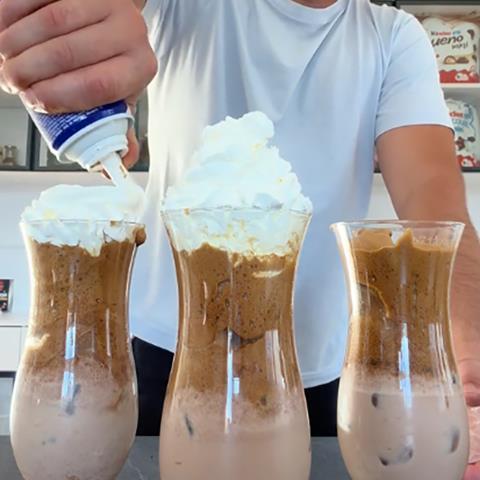
Dessert drinks
Iced drinks are now every bit as indulgent as the dessert aisle. On social media, fans are lapping up layered creations in a variety of flavours that look as good as they promise to taste. The trend is an obvious win for dairy drinks – but also proved beneficial for Lactalis, owner of the Galbani cheese brand. It seized the opportunity to establish the UK’s first National Tiramisu Latte Day, using mascarpone to create classic and pistachio iced serves.
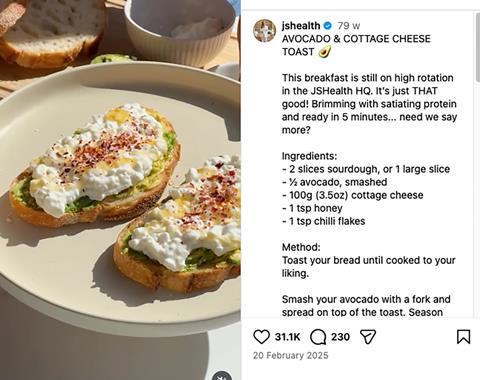
Cottage cheese
It’s hard to talk about viral dairy trends without mentioning cottage cheese. The once-retro food is now a fixture on social feeds, as fans share recipes that make the most of its texture and naturally high protein content. “Cottage cheese is being blended into breads, flatbreads, sauces and desserts,” says Heloise Le Norcy-Trott, group marketing director at Lactalis UK & Ireland. The sales impact is clear to see. Monthly volumes of cottage cheese in the UK nearly doubled from 2023 to 2025 [NIQ].
In other cases, the viral social media moment comes before the brand is even built. During lockdown, chef Thomas Straker began creating content using flavoured butter. The content took off – and soon, his follower count had ballooned from 10,000 to one million. It was the founding moment for the All Things brand, which started with flavoured butters. “Very organically, people were saying, ‘Where can we buy this butter?’, and they were tagging retailers,” says Sally Higgin, chief marketing officer at All Things.
Straker joined forces with childhood friend Toby Hopkinson to bring the butters to the major mults. The chef’s online presence “really helped us gain traction among those retailers and unlock physical distribution quicker than a brand would without social media presence”, Higgin sums up.
Given those powerful case studies, it’s no surprise other brands are keen to create their own viral moments. That can involve starting a trend, or being prepared to jump on one when it arises. “Social media moves quickly, so brands need to be responsive to emerging conversations,” says Rob Edwards, head of media & digital at Arla Foods.
However, he also warns that “simply following trends doesn’t guarantee success”.
@allthingsdairy__ Brother eww-wait a second 🤩🤩🧈🧈 #allthingsbutter #buttertok #foodtok ♬ Brother Eww Mark Kross Edit - Jayden Collison
That warning is shared by other experts in the field. Like Rafay Agha, global head of digital at Kerrygold, who believes chasing numbers is a flawed strategy. “Virality is – dare I say it – easy because you can buy the reach and scale,” he says. “I think it’s about understanding relevance over both of those things.”
For example, Kerrygold carefully considered whether to jump on the recent social media trend for dot cakes, which went viral for their rainbow sprinkle toppings. But it decided against the move for two reasons. First, the trend was already dying down and “there’s nothing worse than a brand showing up late”, says Agha. Second, it “didn’t really add to our culinary credentials”.
The decision illustrates how all posts have to fit with Kerrygold’s overarching social strategy: to establish itself as a cultural food brand with clear relevance and tone of voice.
A similar policy is at play at Lactalis, owner of Lindahls and Galbani. “The dairy brands using social media most effectively are those that start with a genuine consumer insight, rather than simply reacting to the latest viral format,” says Heloise Le Norcy-Trott, group marketing director at Lactalis UK & Ireland.
“The strongest activity connects a wider cultural or food trend to a role the brand can credibly play, then gives consumers a clear reason to watch, engage, try or buy.”
Brand personality is crucial
Essentially, it boils down to establishing a clear brand personality and following those principles on social. When chasing views, it is all too easy to fall into the trap of becoming an “algorithmic brand”, says Marcus Foley, co-founder of creative agency Tommy. “It happens when brands begin following the same creator behaviours, the same recipe formats, the same trust vocabulary, the same wellness language and increasingly the same visual style.
“Before long, everyone starts saying the same thing. That isn’t just a creative problem but a commercial one, too. If consumers struggle to remember who created the content, they’ll struggle to remember who created the product.”
Kerrygold’s Agha agrees, warning it is all too easy for dairy brands to fall into a “sea of sameness”.
Against that backdrop, a guiding principle is to produce content that would be easily associated with your brand even if a logo wasn’t present.
@allthingsdairy__ All Things Cottage Cheese & Tomato Tagliatelle 🍝 RECIPE 👇 Ingredients: 1 tbsp olive oil 1 garlic clove, peeled A few sprigs fresh thyme 400g tin chopped tomatoes 2 tbsp All Things Cottage Cheese 25g parmesan, grated (plus extra to serve) 200g fresh tagliatelle Salt & pepper, to taste Method: 1. Heat the olive oil in a pan over medium heat. Add the thyme and whole garlic clove, letting them gently infuse the oil for 1-2 minutes. 2. Pour in the tinned tomatoes. Swill the tin with water and add that to the pan. Season with salt and pepper, then let it simmer for 5-10 minutes. 3. Remove the garlic clove and stir through the cottage cheese and grated parmesan until the sauce becomes creamy and well combined. 4. Add the fresh tagliatelle straight into the sauce, tossing to coat. Loosen with a splash of pasta water if needed. 5. Plate up and serve with extra parmesan and a drizzle of olive oil. Enjoy! #allthingscottagecheese #cottagecheese #tagliatelle #pastasauce #foodtok ♬ Ma quale idea - Pino D'Angiò
For example, the flavoured butter recipes by All Things are not just valuable for aspiring cooks, they are also hard to attribute to anyone else. That individuality is crucial to the brand’s success, says Raj Thambirajah, strategy director at creative agency Joint. “All Things acts like a chef-led disruptor, using vibrant TikTok recipes to turn flavoured butter into a culinary flex.”
Other brands have different personalities and priorities. Welsh butter producer Castle Dairies focuses on key moments for the business – from NPD to a behind-the-scenes shot at the factory – to capture its family-run ethos. “We don’t want our social media to feel overly polished or disconnected from the business,” says Nigel Lloyd, MD of Castle Dairies. “It should reflect who we are: a family-run Welsh dairy with a real passion for making good butter.”
Striking social campaigns by dairy suppliers
Instagram
Arla Skyr: ‘Live Like an Icelander’
To celebrate the spiritual home of skyr in April, Arla organised a three-day ‘live like an Icelander’ trip.
Ten wellness and lifestyle creators engaged in activities such as cold plunges and scenic hikes – fuelling plenty of content.
Social media agency Seen Connects, which partnered with Arla on the activation, says the creators generated £169k in added value.
Instagram
Solero: Maya Jama
Even Love Island host Maya Jama experiences a mid-afternoon dip. When she does, she reaches for a Solero.
This was the premise behind The Magnum Ice Cream Company’s push for its fruity lolly brand.
It aimed to establish “a simple ritual of pause and refresh”. Jama gave audiences a glimpse into how she builds a ‘Solerotivo’ moment into her fast-paced lifestyle, inviting consumers into the ritual.
@hannahlowther ad LET’S WIN THIS🍒👏🏼✨ @Little Moons ♬ original sound - Hannah Lowther
TikTok
Little Moons: matcha latte vs cola float
Are you strawberry matcha latte or cherry cola float? That was the question of a Little Moons push that offered the chance to choose the next flavour of mochi ball.
Creator Hannah Lowther led the charge for cherry cola float, while Little Moons ‘obsessive’ Bella Hill backed matcha. The push racked up six million views and led to the launch of limited-edition Cherry Cola Float.
Instagram
Lindahls Protein: ‘Good Movers’
Lindahls wants to dispel the elitism around protein. Hence its ‘Good Movers’ campaign on social, inviting consumers to share their dance moves.
Using a combination of experts and creators, paid social and earned media, the push demonstrated how small bursts of activity can support everyday wellbeing. The message resonated, generating 2.9 million Insta video views.
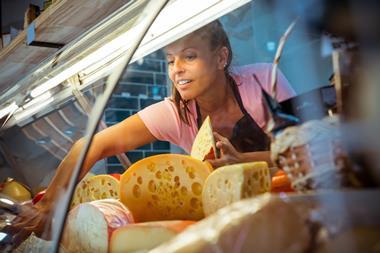
In the case of Butlers Farmhouse Cheeses, social media is about showcasing speciality cheeses in the same way as a deli counter. “Today, people are just as likely to discover a new cheese through a creator they trust on Instagram or TikTok,” says Matthew Hall, fourth-generation owner of the business.
“This summer, a video of cheese expert Morgan McGlynn Carr unwrapping one of our Trotter Hill clothbound Lancashire cheeses was watched 10 million times, driving an 800% traffic uplift to our site,” he adds. “There is a huge appetite for authentic, educational food content when told the right way.”
McGlynn Carr, who has attracted over 66,700 followers on TikTok with her cheese-themed content, is a savvy choice of partner. She has authenticity and expertise in her field, plus a clear tone of voice – all vital qualities, according to social & influencer marketing agency Billion Dollar Boy.
“The single biggest pitfall we see is brands treating creators like traditional media channels by handing them rigid, corporate scripts. That completely kills authenticity,” says Thomas Walters, chief innovation officer & co-founder of the agency.
“You have to trust the creator instinct to make effective social content – giving them the freedom within a structured strategic framework to tell your story in their own authentic voice.”
“We tend to work best with creators who are specialists in telling their story to the community”
Those creators don’t have to sit within the confines of the dairy industry. Oddlygood, for example, worked with “rebel hairstylist” Tobias Bell to create a pop-up experience where people could have a haircut inspired by their coffee order. The stunt was designed to draw attention to Oddlygood’s plant-based barista lines without being overtly commercial.
Bell is a high-impact choice,given he has over one million followers. But creators don’t need large follower counts to gain attention. For Little Moons, the right choice comes down to expertise rather than big numbers.
“The thing we’ve learned is we tend to work best with creators who are specialists in telling their story to their community,” says Tuck. “They will have the most impact because they have an engaged community and they’re known for that style, so it feels authentic and drives better engagement.”
Importantly, that engagement isn’t a one-way street. Winning on social isn’t just about talking to your followers – sometimes, listening to fans can be even more valuable. Little Moons is a strong believer in the power of social listening, which informed its recent ‘choose your flavour’ campaign.
Similarly, Tom Parker Creamery places high value on two-way interactions. On Instagram, the milk brand regularly shares user-generated content and pays close attention to what its followers are saying.
“It’s a fantastic source of customer feedback and helps us understand what consumers are looking for next,” says CEO Rob Yates.
In fact, social listening can even inspire a whole new range. All Things launched its cottage cheese lineup in December after witnessing the growing popularity of the food on social media. For Higgin, this insight is a powerful advantage to the channel. “A traditional ad is more one-way: you make the TV ad and you broadcast it to your audience. Whereas with social media, it’s a two-way conversation that helps us shape the brand and our entire NPD pipeline,” she says.
The example serves to highlight the sheer range of commercial objectives that can be achieved on social. For some brands, customer insight is of primary importance. For others, it can be about challenging perceptions. Take Lacka Foods, which mounted the ‘Not for the Elite’ campaign for its UFit protein shake brand to dispel the associations with gym bros.
“We poke fun at the extremes of wellness culture, don’t take ourselves too seriously and try to make protein feel like something for the rest of us,” says Angie Turner, head of marketing at Lacka.
Meanwhile, Lactalis sets a “clear commercial objective” for its campaigns. For instance, Galbani’s ‘National Tiramisu Latte Day’ “translated online interest into tangible foodservice action, generating 112 operator toolkit requests, physical product trial and a six-week menu presence at Nonna Bakery”, says Le Norcy-Trott.
Whatever the objectives may be, a strong social strategy ultimately adheres to the core principles of marketing. Brands must establish a personality, clear goals and metrics of success. That means treating social as an ongoing priority, rather than just a fleeting moment or trend.
Foley at Tommy believes the most successful brands build whole worlds on social. “This is where brands move beyond explaining products and begin creating their own language, rituals, emotional territory and recognisable behaviours,” he says.
“I’d love to see more dairy brands thinking beyond content calendars and campaign moments, and instead building distinctive worlds that consumers want to belong to rather than simply scroll past.”




No comments yet