







Soon the route to under-16s via social media will be closed. Food & drink brands will need to adapt – and return to the real world
Touch some grass, as the kids might say. Or as the government put it when introducing its proposed ban on social media platforms from offering services to under-16s: “less time for scrolling and more time for play”.
In spring next year, a long list of platforms (see box, below) will be closed to under-16s. Additional blocks on “harmful functions” such as livestreaming and stranger communication on other online realms like gaming sites mean the UK “will go further than any other country” and, the government says, “set a new normal for future generations”.
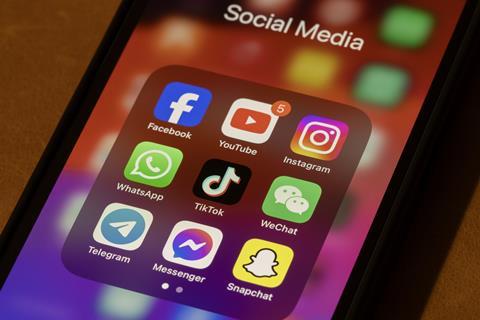
But what does the planned “blanket ban” mean for brands targeting children and youths? Does it simply require spend to be diverted, or something more? How might it change kids’ relationship with food? And what chance of another Prime or Feastables now?
Banned
- Kick
- Snapchat
- Threads
- TikTok
- Twitch
- X
- ‘High-risk’ features including livestreaming and talking to strangers on gaming sites such as Roblox
Permitted
- Signal
- YouTube Kids
- Lego Play
- Google Classroom
- A ‘narrowly defined’ further list to avoid impacting music streaming, e-commerce and educational services
Social media has long been the foremost channel for advertisers to reach this age group. Little wonder. According to Ampere research, more than three quarters of 13 to 15-year-olds use social media on a daily basis. A 2026 report by the firm found 11 to 15-year-olds in the UK spend an average two hours a day on the platforms.
In May, research by children and families research agency Beano Brain found a third of seven to 14-year-olds said YouTube ads and YouTubers were how they discovered new things they wanted to buy. A quarter cited TikTok videos. Only 22% said purchasing was influenced by TV ads.

Now the ban will see young people’s brand ads divert towards ad-supported streaming platforms such as Netflix, Amazon Prime and Disney+; as well as gaming (close to 60% of 13 to 15-year-olds in the UK now report spending more than six hours per week gaming on average, Ampere found); creator-led ecosystems and retail media.
“But the industry needs to be careful not to think too narrowly in channels,” says Helenor Gilmour, head of Beano Brain.
“One of the biggest mistakes adults make is assuming children experience digital life in the same way media planners do. They don’t think in terms of social, gaming, streaming or messaging as separate worlds. For Gen Alpha, these environments blur into one connected ecosystem, where attention moves between games, group chats, video, memes and real-world interactions,” she adds.
“The spend must follow their interest, and the fmcg brands targeting young people will have to stay close enough to them to understand where attention is moving and what is shaping it.”
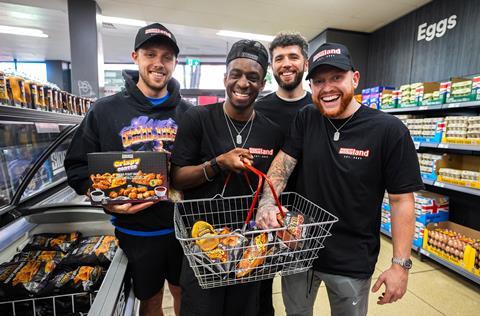
Ant Hopper, co-founder of The Ninety-Niners, which has worked with Organix, Dole and Diageo brands, shares the sentiment. While “some spend will shift” he says, “brands shouldn’t see this as a simple media reallocation exercise”.
“The biggest shift required is more philosophical,” Hopper says. “For years, platforms have allowed brands to rent young people’s attention. If that becomes harder, brands will need to earn it again. This is a wake-up call for the industry to do better: to create experiences, products and communities that deserve young people’s time.”
The role of the real world
While much of that will be done online – where else for the generation of so-called ‘screenagers’? – brands need to have presence in the real world too.
“Brands that win will show up where culture is created: sport, music, gaming, schools, communities and shared experiences,” Hopper says. “They’ll build products people want to collect and experiences people want to attend.”
Presence in stores will become even more crucial, adds Lorna Hawtin, chief strategy officer at brand agency Zeal.

“The biggest beneficiary may actually be retail,” she says. “If you can’t reach children endlessly on a phone, the importance of winning at shelf, in convenience and through physical visibility increases again. We’ve spent years pretending distribution and visibility don’t matter because social media made them look less important. They never stopped mattering.”
Howard Wright, executive creative at Equator Design, which has worked with Aldi, Ginsters and Beyond Meat, says: “For younger consumers, the corner shop, the meal deal, the late-night garage run – these are genuine touchpoints.
Packaging, too, becomes more significant in a less digital world. “A format that feels different in the hand – unusual size, unexpected material, satisfying mechanism – creates a moment of physical discovery digital can’t replicate,” Wright says. “For younger consumers who’ve grown up swiping, tactile distinctiveness is genuinely novel.”
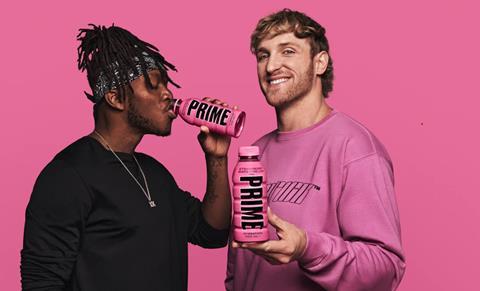
And with the direct route to the eyeballs of a young demographic soon to be cut off, brands will need to work harder to convince parents to purchase too. Brands such as Logan Paul and KSI’s Prime Hydration were “built almost entirely on youth desire rather than parental persuasion”, says Hawtin, but no longer can mum and dad be bypassed. “They sold excitement, not reassurance. That luxury may be disappearing.”
The good news is parental appeal is arguably getting easier, says Gilmour.
“Millennial and Gen Z parents are much closer to their kids than previous generations. Their lives and interests are often intertwined,” Gilmour says. “Don’t think of them just as gatekeepers, think of them as agents for their kids’ interests.”
Prime is the exemplar of a social media-made brand. “It was an extraordinary example of what happens when creator influence, scarcity and algorithmic amplification collide,” says Gilmour.
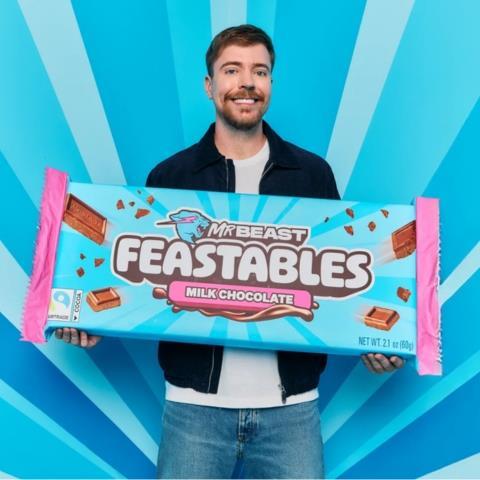
Thanks to the reach and virality-building nature of the platforms it was born on, “it generated remarkable hype and cultural visibility in an incredibly short period of time” she adds. MrBeast’s Feastables and The Sidemen’s forays into cereal, ice cream and more have done similar.
For 15 years, fmcg brands targeting young people on social media “have enjoyed a shortcut”, says Hawtin. “They could create desire directly with the consumer and let children and teenagers do the distribution work through peer groups, trends and pestering parents. If that route narrows, brands need to return to older principles of fame, physical presence and cultural participation.”
That’s probably a good thing. “Too many youth brands have confused algorithmic reach with brand building,” she adds.
Prime’s rise and fall was swift. By 2024, after launching in the summer of 2022, the brand saw a 71% drop in turnover. It’s dropped 25 places in Beano Brain’s ‘Coolest Brands’ Gen Alpha survey. The brands most exposed to the ban are those “that relied heavily on hype and algorithmic momentum”, says Gilmour. “Brands built on relevance, product quality and cultural staying power are likely to remain far more resilient.”
As Panini stickers and Pogs of the pre-internet prove, capturing the under-16s market is more than possible without social media.
“The big mistake is to treat a social media ban as a media planning problem. It’s a demand creation problem,” says Hawtin.
As Gilmour puts it: “Ultimately, the competitive advantage has never really been about mastering the algorithm. It has always been about understanding the child.”








No comments yet