Morrisons is trialling high-tech shopping trolleys that save ‘significant time’. Will they catch on?

Morrisons has begun a trial of smart trolleys at its Preston store, heralding – at least according to the AI-powered trolley’s maker Instacart – “a new era for in-store grocery shopping”.

But are these so-called smart carts really the future or are they a high-tech gimmick? And does the UK need them?

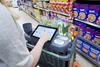
Instacart’s Caper Cart automatically registers items placed in it on a built-in screen, including fresh produce, which the trolley even weighs.

The touchscreen displays a live basket total, and customers scan a barcode displayed on the trolley at a dedicated checkout lane to pay.

They are “very easy to use”, says IGD retail futures senior partner Toby Pickard, and shoppers “could save themselves a significant amount of time”.

Morrisons productivity director Gordon Macpherson says they offer shoppers “real-time visibility of their spending, instant access to their More Card savings, and a more seamless experience in the aisle”.

Morrisons smart trolley

Instacart’s Caper Cart registers items on a screen, even weighing fresh produce placed into it

There are benefits for retailers using Caper Cart and similar rival systems, too. The screens give product recommendations, have the potential to serve personalised promotions and are a new canvas for retail media.

Research from the University of London last month found smart cart shoppers (at an unnamed, major German supermarket chain) spent an average 32% more, buying 25% more items on average, while spending 23% longer in store.

An always-on screen at the very point of decision-making is significant. A Tesco Media study of 7,000 shoppers earlier this year found that for seven in 10, “the final decision on what to buy overwhelmingly happens in the moment”.

Slow retailer take-up

But despite the tech being around for several years, retailers have been slow to adopt it in the UK. Amazon is this year rolling out the latest version of its own smart trolley – Dash Cart, which debuted in 2020 – to 25 Whole Foods Market sites – less than 5% of the Amazon-owned supermarket’s stores.

In the US, Caper Carts are in over 100 cities and “more than a dozen” retailers, Instacart says. Among those, Kroger began trialling them in 2021, but pilots since have been scant. Wakefern is among the keenest, with the carts in nearly a fifth of its stores (around 70), following a 2023 debut. Schnucks has in recent months withdrawn them from some locations.

“High deployment and maintenance costs, the need for store-wide technology integration, and concerns around shopper adoption have limited rollouts,” says Pickard. So far, “adoption has often been confined to pilots and selective store deployments rather than network-wide implementation”.

Morrisons supermarket aisle shopper basket trolley price cuts promo discount (1)

Source: Morrisons

If some of the selling points sound familiar, it’s because the tech and shopping experience are similar to that offered by scan & go devices, already widespread in the UK.

In contrast, scan & go is “vanishingly rare” in the US, says Richard Hammond, CEO of customer analytics firm Uncrowd.

Smart carts are a more expensive solution “to a problem cheaply and simply solved” by scan & go, he says. Notably, Morrisons is among the few major UK supermarkets without a scan & go option.

Waitrose, which has scan & go devices in hundreds of stores, recently ended a one-store smart cart trial with Israeli firm Shopic.

As Hammond puts it, smart carts are “the equivalent of a naval battleship, bristling with sensors and weapons, where a $100 drone would do the job better, faster, easier”.