




Distribution of surplus food is one of the topics in the spotlight at The UK Food & Drink Shows this month.
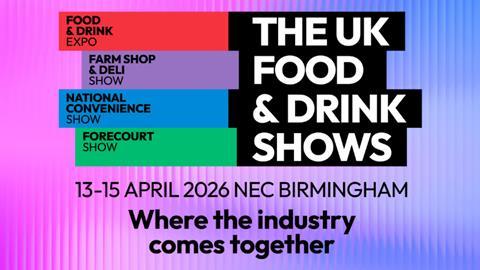
Held at the NEC Birmingham from Monday 13 to Wednesday 15 April, The UK Food & Drink Shows comprises four individual events: Farm Shop & Deli Show, Food & Drink Expo, Forecourt Show and the National Convenience Show. For more information see below.
Each show features a packed programme of presentations, including discussion panel How to Get More of Your Surplus Food to People in Need, which will take place at 11am on Tuesday 14 April.
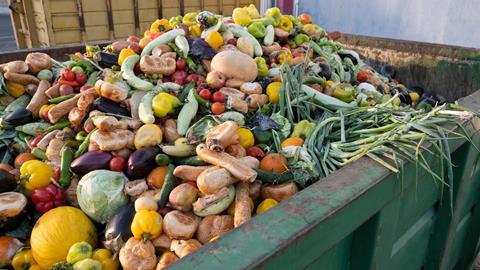
Despite the UK being a food industry world leader, we still lag behind many other countries in efforts to redistribute surplus food to people, with only 1% of food waste making it to communities in need. In this panel, industry experts will discuss what can be done to support UK food and drink businesses to increase food surplus redistribution, including proposals for mandatory food waste reporting and incentivising donations through Corporation Tax relief.
Ahead of this month’s event, we asked two of the panellists to tell us a little about themselves, and what they see as some of the key issues impacting distribution of surplus food:
Dan Byam Shaw, policy and research manager, FareShare/Felix Project
After working as a teacher in primary schools in London as well as in refugee camps in Lebanon and Greece, Byam Shaw started at The Felix Project four years ago. He leads on research and policy development across the newly merged FareShare/Felix organisation.
Abbie Mines, food waste and communities manager, Ocado Retail
Mines has been with Ocado for 13 years, primarily on the grocery side of the business, with experience across trading, supply chain, and operations. Her current role is a key pillar of Ocado’s Planet Together sustainability strategy, and her focus is to avoid and reduce food waste across the entire value chain. She is deeply passionate about delivering a lasting positive impact, working alongside key community partners – such as The Felix Project – to help improve food security across the UK.
Currently, how successful is the UK food and drink industry in distributing surplus food to those in need?
Dan Byam Shaw (DBS): The UK does a lot of great work in food redistribution but is by no means a world leader. At present, only around 1% of total food surplus to requirements is redistributed to charities. In other similarly developed countries such as France, Spain and the US, this figure is two to three times higher.
Abbie Mines (AM): Despite the UK being a world-leading food industry, we still lag behind other countries in our efforts to redistribute surplus. While we have seen improvements, only around 7.2% of total supply chain surplus is currently redistributed for human consumption. According to Wrap, redistribution is heavily skewed toward specific stages of the chain: retail and manufacturing are the primary contributors, accounting for 71% of the total surplus redistributed in 2023; the hospitality and foodservice sector contributed 7%; the farm sector contributed only 4%. Vast amounts of edible food – enough to provide millions of meals – still end up as waste rather than on plates.
What are currently the biggest challenges to increasing the distribution of surplus food?
DBS: Cost is the main barrier, food businesses tell us – a problem that is made worse by perverse incentives that encourage businesses to send food to lower-value destinations like anaerobic digestion (in direct contravention of the UK’s food waste hierarchy).
AM: A significant challenge remains accessing ‘hard-to-reach’ surplus across the entire supply chain, with the producer farmgate level being particularly difficult to unlock. It is often more economically viable for farmers to plough produce back into fields, use it for animal feed, or send it to anaerobic digestion rather than redistribute it to people. However, this economic disincentivisation is not unique to farming; it persists throughout the chain. At every stage, while redistribution for human consumption sits at the very top of the food waste hierarchy, it is not incentivised and is frequently more costly – due to labour, packaging, and logistics – than less preferable disposal routes. Furthermore, while many large food businesses report voluntarily, the lack of mandatory reporting across the industry creates a visibility gap that hinders collective action and operational optimisation to improve the impact of redistribution.

What would you like to see central and/or local government do to help facilitate the distribution of surplus food?
DBS: At a local level, many authorities already do brilliant work supporting food redistribution hubs but there is certainly scope to expand this. Nationally, as well as supporting food redistribution through grant funding, the UK government has the opportunity to pull several policy levers – mandatory reporting, tax incentives, legal guidance – that would significantly shift the dial on the scale of charitable food redistribution.
AM: The introduction of VAT relief on business donations of goods to charities is a good start, but we need more robust incentives for businesses and manufacturers. I would like to see a model similar to the US, which offers corporation tax relief for the redistribution of food to charity. Additionally, while the £15m fund to tackle food surplus at the farmgate is a positive step, we need to move toward tackling the underlying costs to farmers. I want to see the proposal from The Felix Project and FareShare taken forward to include specific farming incentives, which is currently being discussed within the government’s draft circular economy strategy.
Do you feel mandatory reporting of food waste will boost distribution of surplus food and drink to those in need?
DBS: Yes, although the main benefit would be increased transparency and the prevention of food waste arising in the first place! A secondary benefit may be that more surplus food and drink gets to people in need via charitable redistribution networks.
AM: Yes. Ocado was one of many large businesses that signed the open letter calling for mandatory reporting. As mentioned, the lack of standardised food waste reporting is a major challenge; greater visibility and alignment on best practices will help improve and align our collective industry action to both reduce waste and improve the flow of food to those that need it most.
What action would you like to see the food and drink industry take to increase the distribution of surplus food?
DBS: Speak to us (or other charitable redistributors) about how we can work together to help you achieve CSR and waste targets!
AM: I encourage businesses to sign up for the Food Waste Reduction Roadmap, which provides an excellent blueprint for reduction and redistribution. We must also work more closely together through the Food Supply Chain Sustainability Framework. This collaborative initiative allows retailers, manufacturers, and suppliers to benchmark their status, identify material risks, and align on strategic priorities. It allows collective and measurable joint action to reduce food waste and improve food surplus redistribution to improve food security. Ultimately, it is about supporting the full value chain with tools and sharing best practices and innovations – such as the use of AI to identify waste hotspots and conducting collective “waste walks” to prevent delays and improve edible surplus redistribution.
What do you feel the food and drink industry can learn from how surplus is distributed in other parts of the world?
DBS: Other countries, especially the US, do much more to help their food and drink industries donate more surplus, providing tax relief in exchange for donations. On the other hand, some countries like France and Spain have taken a much more interventionist approach (more stick than carrot!) – I don’t think this is the right option for the UK at the moment, but there is certainly a lot to learn from the way other parts of the world have made charitable donations mandatory for businesses over a certain size.
AM: European counterparts are redistributing twice as much as the UK, while the US rate is three times higher. We can see that legislative mandates around mandatory donation and food waste reporting are driving positive outcomes in France, alongside the US model of improved tax incentivisation and liability protection. I also welcome the merger of major redistribution partners like The Felix Project and FareShare to collaborate to maximise the amount of surplus reaching those in need. By combining mandatory reporting, improved incentives, and closer supply chain collaboration, the UK can significantly improve its redistribution impact.
The UK Food & Drink Shows 2026
The UK Food & Drink Shows 2026, taking place at the NEC Birmingham from Monday 13 to Wednesday 15 April, comprises four shows that each target a sector of the food and drink industry:
- Food & Drink Expo is the destination for discovering fresh ideas, forging connections and gaining insights into the future of food. It attracts key foodservice buyers as well as decisionmakers from retail and wholesale grocery operations.
- Farm Shop & Deli Show offers the best-quality local and regional produce alongside the latest in equipment, labelling and packaging solutions.
- National Convenience Show is the biggest event for the convenience retailing sector and is a one-stop destination for c-store specific products, services and innovations.
- Forecourt Show is the must-attend event for sourcing products, fresh ideas and smart solutions to future-proof your business.
Around 1,200 businesses will be exhibiting across the four shows, and more than 25,000 visitors are expected to attend the event to explore new products, services and equipment that will help their businesses flourish.
Once again, The UK Food & Drink Shows will offer a packed programme of insightful panels and expert speakers alongside new attractions. These will include a Spotlight on Coffee Shop & Café highlighting the latest trends and products shaping the sector, and a Spotlight on Future Foods that will showcase wellness-driven, clean-label and sustainable products.
To ensure visitors make the most of their visit, an online digital event companion will offer a comprehensive event guide, interactive floorplan and real-time notifications.
The UK Food & Drink Shows is organised by business information provider William Reed. Covering industries ranging from food and drink to pharmaceuticals and cosmetics, William Reed publishes digital and print media, including The Grocer, and organises prestigious awards and business events.
“We appreciate that retailers and suppliers continue to face intense pressure and are confident the shows can help to equip businesses with the knowledge and inspiration to grow and flourish,” said Dan Dixon, MD of exhibitions, William Reed.
“At the heart of it all is the power of face-to-face interaction; the chance to have meaningful conversations, experience products first-hand and build relationships.”
To find out more and register for free tickets visit The UK Food & Drink Shows website.



No comments yet