






We have published the results from the annual Advantage Buyer Survey for the first time. This highly respected benchmark assesses the performances of fmcg suppliers based on the opinions of over 2,000 retail buyers. And there will doubtless be great interest in the list of category and competency winners, of which, to me, the surprise package is the performance of BiC.
But it’s the assessment of supplier capabilities in the broader sense that is of most value. Buyers are a tough crowd. We know that. And if an average of 33/100 across the scores for the 300 or so suppliers sounds harsh, it’s worth pointing out that it’s on a sliding scale from –100 to +100. So probably more significant is the range of 105 between the highest and lowest scores.
Digging a little deeper, the survey also reveals that the worst-rated business competence among suppliers is Trade & Shopper Marketing, with a score of just 17. And the range is even greater at 152. Ouch!
In a sense the low score is not surprising. Within this business area the competencies comprise: differentiation (16); margin (14); promotional activation (27); retail media service (13); shopper marketing programmes (19); and trade investment (12). These are some of the most controversial aspects of retailer-supplier relationships. And in many cases the dissatisfaction is mutual, with suppliers viewing some activities as a money-making exercise rather than an attempt to actually grow sales.
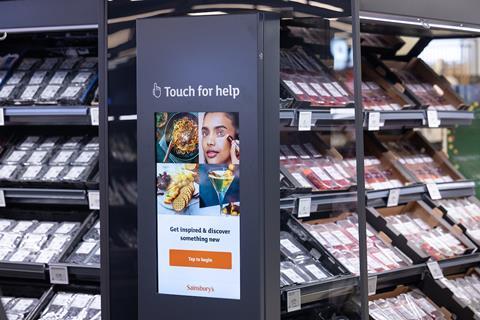
None more so than retail media. At The Grocer’s Marketing Business Lunch this week, a debate on the value of this lucrative supermarket revenue stream (projected to be worth £8.6bn by 2030) testified to growing disgruntlement over the range of demands and sense of entitlement, the variation in service levels, the lack of differentiation and mutuality, the failure to demonstrate objective value, and the high entry cost.
There is an onus not just on suppliers to step up. Supermarkets are also responsible. And when it comes to retail media they are agencies pitching for work. If they’re not doing enough to convince suppliers, it’s up to them to prove their value too. Otherwise it’s not a partnership.









No comments yet