



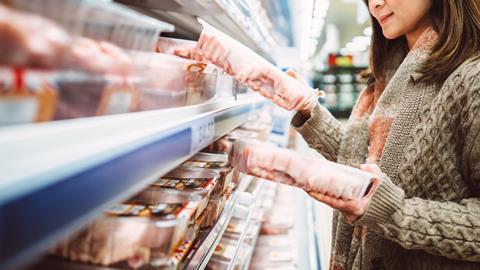
According to The Telegraph this weekend, it was all good news for the meat sector, as consumers turned their back on vegan products to spend £500m more on meat over the past 12 months. While this is true, The Grocer’s Top Products data from NIQ shows a much bleaker picture.
It said that “a growing number of supermarket customers switched back to beef, lamb, pork and poultry this year while shunning meat-free options” – but alas, this is not the case.
As revealed in The Grocer’s annual Top Products survey, the meat category experienced significant slumps in volume sales this year, including those The Telegraph called out as big winners. Actually, beef and lamb were in volume decline, while poultry grew by a marginal 0.5%.
The areas of growth were in pork and sausages, with this uptick attributed to consumers trading out of more expensive cuts towards those where they get more ‘banger’ for their buck, as it were. These small pockets of growth contributed to a minimal overall category volume increase of 1.1%.
So, when you look at the full picture, it’s not exactly been a standout year for the industry. But the meat category is by no means alone in this.
Inflation, inflation, inflation
Inflation is The Grocer’s official word of the year in this year’s report (or it would be, if we had one), with nearly every category experiencing sustained price increases over the past 12 months.
Price inflation in food and non-alcoholic drinks hit 5.1% in August, with many individual areas seeing much faster levels – including in the aforementioned beef, which some reports have said is as much as 27% more expensive than it was last year.
There are many varied factors at play here – all of which have been reported on extensively by The Grocer in the past year, with ongoing trade uncertainty and changing governmental policy among them.
Policy changes, particularly around National Insurance and the national living wage, also hit businesses, meaning for many there was no choice but to increase prices just to keep heads above water. And for those more exposed to higher commodity prices, 2025 was even more inflationary. Just take a look at butter, spreads and chocolate. Lower production of milk and soaring cocoa prices due to climate change meant these categories had an extra burden to face.
The resulting increase to shelf prices culminated in shrinkflation and reformulation from the brands – all of which led to change in consumer behaviour on supermarket floors.
Not all bad news
Ultimately, food brands have seen volume sales take a hit. In fact, volume declines have impacted nearly half (48.8%) of the 126 categories included in the Top Products Survey 2025. And even among those that did achieve positive volume sales, 43% experienced growth of 2% or less.
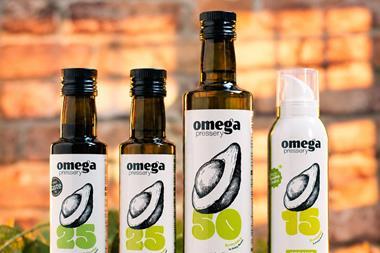
But, it’s not all bad news. Olive oil, after a particularly inflationary couple of years, has seen costs drop, with the weighted average price of European extra virgin olive oil falling by 49.3% to €4.59 per kilo between January and November this year, data from commodities analyst Expana shows.
On the whole, though, significant growth was confined to a limited number of categories such as bottled water, which capitalised on healthy hydration trends and ready meals as consumers looked for alternative options to eating out.
Regardless, the full picture here is important, as value sales can never truly tell the full story. As food companies battle soaring costs from every angle, from raw materials to human resources and energy bills to trading costs, inflation was inevitable.
While it might have appeared to be a good year on paper for some categories, meat included, reading the full Top Products report shows what is really going on…

1 Readers' comment