The future is here. Or at least it will be soon, at one, yet to be confirmed Morrisons store, where the supermarket is planning to roll out a trial of AI-powered smart trolleys next year.
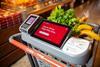
Developed by US-firm Instacart, the Caper Cart – as it is catchily called – is powered by edge-based AI.
Using a combination of four cameras and a set of scales in the base of trolley, the carts instantly recognise the items placed into the basket, totting up the total on a digital screen as the shopper travels around the store. The screen then generates a barcode, which the shopper can scan at the self-checkout banks to pay.
“It will make grocery shopping feel like an adventure,” says Instacart chief connected stores officer David McIntosh.
Whether that is true or not is yet to be seen (after all, one person’s adventure is another’s dystopian nightmare) but while they sound like the product of some robot-fuelled future, smart trolleys are the natural evolution of smart shopping tools that already exist.
Win-win for the weekly shop
The new smart trolleys will be more convenient for shoppers, claims McIntosh, pointing out that they will be able to keep track of their total spend more easily, and not have to go through the hassle of scanning each item.
Integrating the trolleys with Morrisons’ More Card will enable new levels of personalisation and product discovery via the digital screens, which will flag relevant promotions, or even recommend new products throughout the store journey. While some might see this as an unnecessary assault on the senses, it’s a win-win for shoppers looking to supercharge their weekly shop.
Morrisons’ trolley trial follows news that Waitrose also recently began trialling its own version of an AI-powered smart trolley system. Powered through a detachable screen that shoppers connect to a regular trolley, it works on much the same basis as the fully integrated Caper Cart.
Such tech trials are commonplace at supermarkets, where grocers, jostling for a razor-thin advantage over rivals, regularly run several concurrent small-scale pilots at any one time.
With advances in AI and other smart technology such as they are, it would actually be more surprising if Morrisons and Waitrose were the only UK grocers trialling these developments.
Trial and error
While some of these trials can appear a little gimmicky, or prove short-lived – like Sainsbury’s recent test of product finder screens in its beauty aisles – others, like self-checkouts and loyalty points, will grow in popularity and take-up to eventually become standard fixtures of the daily grocery experience. Those that stick are a success precisely because they work for both customers and supermarkets.
So it’s no surprise that supermarkets have been gearing their innovation efforts towards solutions that enhance the shopper journey through convenience and choice (alongside price, of course), while at the same time improving efficiency in store and behind the scenes.
It’s why they’re increasingly focusing on developing smart shopping tools, like Sainsbury’s Smart Shop and Waitrose Scan Pay Go, which can be closely integrated with PoS systems, loyalty programmes and instore media.
At the moment, AI-powered smart trolleys might seem like a revolution, but really they’re just one part of the natural grocery evolution. And we’re already halfway there.


No comments yet