



This week The Grocer’s coverage has been dominated by the extraordinary political implosion unfolding in Westminster. As editor-in-chief Adam Leyland notes in his leader, the chaos has not only overshadowed the King’s Speech but also its contents, in particular the highly contentious European Partnership Bill.
Yet Sir Keir Starmer is insisting it’s business as usual, and has somehow found time to unveil a package of proposals, including plans to triple funding for surplus food redistribution and create a historic industry coalition (with the help of several multimillionaire backers).
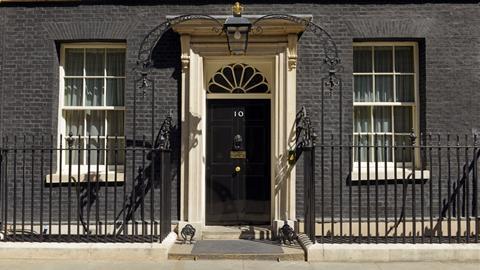
These plans stem from a February summit of industry leaders and NGOs at Downing Street – a meeting the prime minister himself missed as he was on a trade mission to China. And while he is clinging to power for dear life as I write, it’s odds on he will be permanently missing from No 10 by the time any of this comes to fruition.
So it’s good news from the government on food waste, but bad news from Tesco. The retailer has, quite shockingly, pushed back its target to halve food waste across its own operations by five years after admitting it is still trying to recover from the over-reporting scandal of 2024. It has also dropped food waste reduction as a metric for CEO Ken Murphy’s performance, shifting the focus firmly onto its ambition to capture 30% of UK grocery sales.
The power and politics of pricing
In his column this week, Ian Wright argues powerfully that the government needs to improve its work on food pricing, particularly in mitigating the extraordinary inflation of recent years. Options, he suggests, include stripping out discretionary commodity costs, fast-tracking discussions with the EU on removing barriers to cross-channel trade, or looking at selective and time-bound VAT cuts. As he warns, though, don’t hold your breath.
Pricing pressures are also evident at Princes. It was one of the few companies to have pushed through price hikes in response to the Iran war – and it latest results may explain why. UK sales fell by 5.6%, with revenue down nearly £20m to £337m in its biggest market. Yet overall revenues rose 5.9% and underlying profits increased 17%.
Meanwhile, there is some good news for vegetarians and vegans: the price gap between meat and plant-based alternatives is closing. Our analysis of Assosia data shows chilled meat mince up 8.1% and frozen up 16.6%, compared with just 0.1% and 1.3% respectively for the plant-based equivalents – suggesting that price parity may be closer than the meat industry would prefer.
A reformulation behemoth
In major deal news, Tate & Lyle has confirmed it is in talks to merge with Ingredion, with the US company offering £2.7bn for a 100% buyout of the UK PLC. The combined business would form a vast transatlantic reformulation powerhouse – a sign of the times in global ingredients.
Elsewhere, senior retail reporter Stephen Jones has been investigating Sauce Shed, a condiment contract manufacturer, after four current and former clients said they had been left in the dark despite paying thousands of pounds upfront for orders, with affected companies saying the delays have put their businesses, and in some cases their mental health, at serious risk.
Mental health is also a concern for many of the UK’s seasonal workers. The Worker Support Centre’s annual report found a “culture of fear”, with many workers telling the NGO they are scared at work and others reporting discrimination.
In more positive news, Morrisons has partnered with the NHS to add cancer awareness messages to its bath and shower products. The campaign encourages shoppers to use everyday routines like showering as moments to check for potential signs of cancer, such as skin changes and unexplained bruising or swelling.
Getting personal
This week in features, technology editor George Nott took a deep dive into personalisation. From the problem with mass promotions and the commercial advantages of personalised offers to the game-changing capabilities of AI, George explored this key battleground for supermarkets in their efforts to secure customer loyalty
We also sat down for a chat with celebrity chef and campaigner Hugh Fearnley-Whittingstall. He told features editor Dene Mullen all about teaching shoppers how to maximise their fibre intake without the “dry ingredients” peddled by influencers, and reflected on how the government and the food industry can do more to help with the nation’s health.
On the NPD front we also have “nostalgic” ice cream flavours from Pepsi, a new range of RTDs from Au Vodka and Tango, and Maggi’s entry into the ready meal category. Kellogg’s and Pokémon have also joined forces on a new cereal, with boxes already selling for as much as £11 on eBay. Some Tesco stores have sold out entirely – a reminder of how effectively fmcg brand licensing partnerships can build social media buzz.
Finally, this week’s Focus On report explores bread and bakery, spotlighting how manufacturers and retailers are looking to global cuisines for inspiration. With Roman pinsa bread and Japanese-style milk loaf now available on shelves, supermarket ranges reflect shoppers’ growing appetite for alternatives to the traditional loaf.
As ever, we would love to hear what you think. Drop me an email on sarah.vizard@thegrocer.co.uk with any feedback or stories you think we should be watching.


No comments yet