





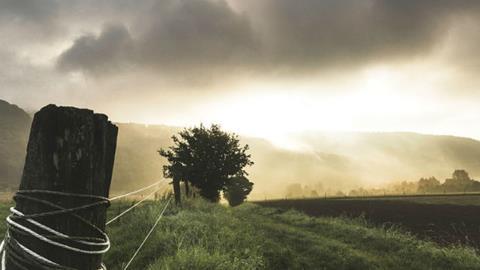
As the climate crisis brings more extreme weather to Britain, farmers are arguably bearing the biggest brunt of what is fast becoming a terminal situation.
In just three years, the UK has seen two of its hottest summers and its wettest winter – and as new figures show, that all adds up to an eyewatering £5bn loss for Britain’s landworkers.
As is now often the case, the result is warnings of impending food shortages from numerous farming organisations who point out businesses are no longer willing (or able) to drill next year’s crop when there is no guarantee of a return.
“Farmers have shown again and again that they can adapt and deliver solutions, but resilience has limits,” said Gavin Lane, president of the Country, Land and Business Association last month.
“If we want them to keep feeding the country, they need proper support. Otherwise, this harvest could be their last.”
Farmers feeling the strain
While things are clearly tough for all farmers right now, some are feeling the strain worse than others.
As Graham Redman, author of farm bible The Nix Pocketbook explained earlier this week, although British farming as a whole is facing its most challenging period for over 60 years, profitability in some sectors remains buoyant.
Dairy farmers, for example, earned £719 per hectare last year, according to Nix, while lowland beef and sheep got around £220. “Once adjusted for inflation, real-term profits per farmer came second only to 2022, greater than it was in the heady days of the mid-1990s,” Redman says.
It is a different story in arable however, where despite many hours of planting, spraying, and harvesting, farmers brought home just £9 per hectare for their labours.
The risk of food shortages is often overstated. The UK imports about half of what we eat, meaning the gaps left by a poor harvest are commonly covered by imports from elsewhere. While this can (and does) push up prices, it only rarely results in empty shelves.
But it does leave farmers understandably questioning their futures. There is a potentially epoch-defining change taking place right now, as arable farms in particular turn away from food production and instead plant trees or rent barn space. This is now the only way they can stay afloat.
In other industries, an impending state of collapse leads to government bailouts and rescue packages. But with farm subsidies more often determined by a farm’s environmental outcomes than its balance sheet, arable’s precarious state is unlikely to translate to any extra help from Whitehall.
The result may be lots of trees and solar farms – and probably a decent amount of livestock – while the golden hues of wheat, oats, and oilseed rape swaying in the summer sun become nothing more than a distant memory.


No comments yet