



Doing the weekly shop with a severe allergy is something of a minefield, and, for the 2.4 million adults in the UK living with a confirmed food allergy, allergy anxiety is a real thing. I should know – I’ve had a severe peanut allergy since I was 12, triggered by a peanut-flavoured crisp, of all things.
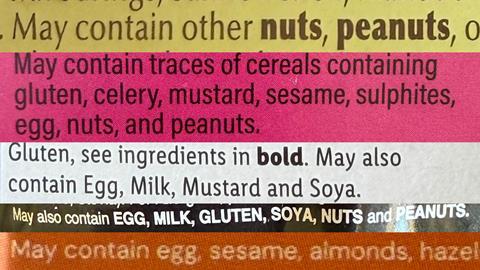
But the food labelling system designed to keep us safe simply isn’t working, as excessive use of precautionary allergen labelling (PAL) – typically seen as “may contain…” on labels – is making food shopping harder, not safer.
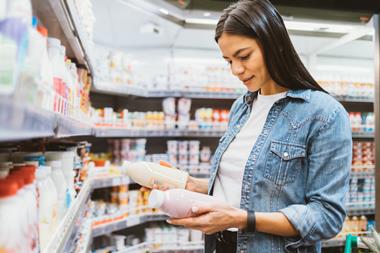
Picking up a packet of chocolate, for example, should be a relatively straightforward exercise. Check the ingredients list, no mention of nuts – so far, so good. But the small print tells a different story. “May contain traces of nuts, gluten, sesame, egg, celery, mustard, sulphites, and peanuts.”
Any previous confidence I had in the product immediately turns to uncertainty. Do I put it in my basket anyway, tell myself it’ll probably be fine and keep my EpiPen close at hand for that first bite? Or do I play it safe, walk away and miss out on yet another simple treat?
Of course, I put it back. I’ve had my fair share of anaphylactic mishaps and it’s not something I take lightly.
But the likelihood is that I, or anyone else with a nut allergy, could have eaten that chocolate without experiencing any adverse effects at all. That’s the reality of confusing “may contain” labelling, and it’s playing out in supermarkets, convenience stores, takeaways and restaurants across the UK.
‘Inconsistent and inadequate’
Inconsistent use of PAL is eroding trust in food labels and forcing families to avoid entire food categories, says The Natasha Allergy Research Foundation (NARF).
Designed to warn consumers about genuine cross‑contamination risks, it has instead become an “inconsistent and inadequate” system that presents a “huge challenge” for people living with food allergies, says Nadim Ednan‑Laperouse, who co‑founded NARF with his wife after their 15-year-old daughter Natasha died after an allergic reaction in July 2016.
Ednan‑Laperouse says people with food allergies are often left with no option but to avoid “huge numbers” of products due to excessive “may contain” labelling. This, he says, turns food shopping into an “unnecessarily stressful and complicated experience”.
“With so many people avoiding food products due to catch‑all ‘alibi’ labelling, it also means food businesses lose top‑line revenue,” he tells The Grocer. “That’s not good for business.”
The ‘wild west’ of food labelling
The problem is that PAL is currently unregulated. Manufacturers can apply a broad, all-encompassing warning regardless of the actual level of allergen present – or even when no allergen is detected at all. Ednan‑Laperouse is not the first to have described it as the “wild west” of food labelling.
But change may finally be coming. In December, the FSA explored a new science‑based approach to PAL, and is now recommending the introduction of a threshold system known as ED05. Aligned with proposals from the Food and Agriculture Organization and the World Health Organization, the model aims to make “may contain” labels more consistent by reducing unnecessary warnings. Under the system, only foods likely to cause a reaction in at least 5% of people with a specific allergy would be required to carry a “may contain” statement.
NARF is backing the proposed ED05 system, describing it as a more “robust and evidence‑backed approach” that could restore confidence and clarity for allergy sufferers.
Handled properly, reform could mean fewer blanket warnings, allowing more people to buy more products with confidence. But meaningful change will require clear regulation and consistent enforcement across all parts of the food industry.
Manufacturers also have a responsibility to act. “May contain” labelling should only be used where there is a genuine risk, not as protection against liability, a practice that has contributed to a worrying erosion of consumer trust.
For now though, food shopping for 2.4 million people in the UK will continue to be a challenge, largely shaped by the question: “Do I take the risk or miss out?”





2 Readers' comments