





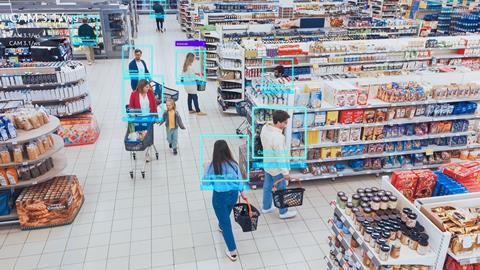
Another week, another innocent shopper getting publicly accused of shoplifting and kicked out of a store. What had once been a freak occurrence is becoming increasingly common as AI facial recognition technology systems roll out to more retailers and more stores.
The latest victim – a TV producer forced to abandon his basket of drinks and snacks for the comedy night he helps run, with an offer of being escorted out of East Dulwich Sainsbury’s. All because the “extremely morally questionable”, as he put it, AI identified his face as that of someone who had stolen from the store earlier that week. “I hadn’t been there earlier in the week,” he said.
And the excuse from both the retailer and tech firms involved is almost always the same: the system is near perfect and practically never makes mistakes. It’s the humans that are wrong.
But does that response really hold? And is it fair to shift the blame to the shopworkers that have been given this unwieldy tech solution to monitor and manage?
Mistakes happen
The Facewatch solution – which Sainsbury’s plans to roll out to more than 200 stores by the end of the year, and is also used by Home Bargains, Southern Co-op, Budgens, Costcutter and several independent convenience stores – works by capturing CCTV footage of people “reasonably suspected of involvement in crime” by store staff, and alerting workers when they next enter the premises.
At this it is exceptional, it says. It matches the face of someone entering the store to that of previous thief with 99.98% accuracy. There is little reason to doubt this.
But the system itself isn’t the one accosting the thief in front of a queue of shoppers before hoicking them out. If a match is found, the image is reviewed by “trained managers in store” who then have to find the individual in the aisles.
This is where mistakes happen. Sometimes innocent shoppers look much like the thief whose CCTV captured image has been quickly glanced at on a phone screen. Staff approach the incorrect person. Perfectly understandable when they are being forced to enter a potentially fiery interaction in an instant.
So the near perfect face-matching accuracy rate parroted by Facewatch and partner retailers is the wrong metric. It should be: what proportion of people ejected from stores were the right wrong’un?
Sinister surveillance
The technology is still in its formative years out in the real world. But the list of wrongly accused is already lengthy.
The latest incident is the second time Sainsbury’s has ad to apologise this year, having previously escorted an honest customer from its Elephant & Castle shop by mistake in February. Again it was “not an issue with the facial recognition technology in use” Sainsbury’s said at the time. Home Bargains and Southern Co-op have too had to apologise for their staff’s identification errors following Facewatch prompts.
“Serious mistakes like this are inevitable when a national retailer does hundreds of thousands of ID checks indiscriminately with this sinister surveillance tech,” said Silkie Carlo, director of campaign group Big Brother Watch.
Facial recognition tech has proved blisteringly effective in reducing crime in retail. The supermarket said the effectiveness of the technology in reducing crime was “clear”, with earlier trials seeing a 46% reduction in logged incidents of theft, harm, aggression and antisocial behaviour, and 92% of identified and banned offenders not returning to its stores.
But nevertheless the system relies completely on humans when it comes to dealing with thieves. Staff must be properly trained to respond to the tech, which means apprehending the right person in store. Bleating about the accuracy of the tech and blaming shopworkers when they get it wrong is an underhanded misdirection. And when it comes to tech shoppers are already wary of, trust and truth is paramount.












No comments yet