



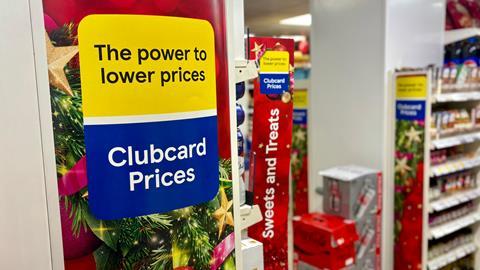
Conventional retail thinking would suggest the cost of living crisis would make shoppers more eager than ever to seek out deals and promotions to make their household budget stretch further. The natural reflex to penny counting would be to appeal to the financially strained with a raft of price cuts and ‘three for two’ promotions.
It’s worked for years, but now that time is coming to an end. Economic hardship is not making shoppers keener for deals and promotions. Quite the reverse, it’s now turning consumers against tactics they believe are designed to make them spend more rather than help protect stretched household incomes.
Retailers need to understand the behavioural psychology of people preparing for the festive season on strained budgets. Customers are having to make hard trade-offs. They’re not in a position to buy one deal and then add another – they are having to choose between offers. This extra scrutiny brings a new level of scepticism to their consumption. In particular, ‘buy more to save more’ can feel less like a deal and more like pressure to spend more.
They are also more cynical of price anchoring claims of ‘was x, now y’ which they increasingly realise are misleading. They can never be sure how long the items were sold at one price, unless clearly stated, and they are increasingly suspicious it may have once sold for even less.
If the basic principle of retailers appealing to behavioural psychology is to keep things simple, something really has gone amiss. Shoppers are left to figure out which offers really represent value and which are just another way of getting them to add more to their basket.
This adverse reaction to ‘deals’ has grown over time to the point where it’s now affecting consumer behaviour. The finding that could prompt a rethink among retailers is that only one in four shoppers counting the pennies believe deals and promotions represent good value. To put that in perspective, for those spending more this festive season, four in five believe in deals and promotions.
The consumers most affected by the rise in the cost of living, the segment of shoppers retailers have traditionally wooed with offers, are now the least trusting in price reductions and promotions.
The new promotional reality
This new reality is no clearer than attitudes to Black Friday. It’s the ultimate example where retailers have been found out for scarcity marketing and price anchoring that ignores an item has previously sold for even less. Consumers understand the ‘was’ price might not have been in place for long and they’re being hoodwinked into thinking they’re getting a deal.
When we asked shoppers who say they’re cutting back, only 4% believe Black Friday always offers good-value deals.
While many offers really do deliver value, the world of retail has created a series of pricing tricks. Now consumers have peeked behind the curtain, there’s no coming back. Trust has been lost and it can only be regained by companies that actively rebuild bridges with shoppers. That means transparent and clear pricing. Good retailers will already be doing this, but shoppers will only trust price cuts that clearly state how long a product was previously sold at the price claimed.
As for volume promotions, retailers who don’t keep it simple will struggle. A ‘three for two’ might have worked with few questions asked previously. Now shoppers are wising up, and if you’re making them work out a per kg price on their own, you’ve already lost them.
Consumers have lost faith in deals. Who can blame them?
Joseph Fullylove is insight director at Hall & Partners












No comments yet