GettyImages-1351412747

For five years the industry has argued about whether the plant-based category works. We’ve been asking the wrong question. The real question is whether the protein category works.

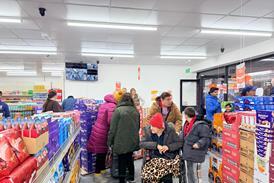
Walk into any supermarket and centre-of-plate protein is scattered across the store. Chicken sits in the meat chiller. Tofu and tempeh sit in the plant-based chiller. Paneer lives with the cheese. Beans are in ambient. Every retailer does it differently, and sometimes the same retailer does it differently from store to store. Shoppers can’t reliably find products they’re looking for and growth is being left on the shelf.

Shoppers don’t build meals by dietary identity. They build them around a protein, a carb and some veg. Someone planning a midweek curry is choosing between chicken, tempeh and paneer, not between paneer and cheddar. Yet we merchandise as though ideology matters more than the meal, asking the flexitarian majority to walk to a separate aisle to make a swap. Everything we know about behaviour change says the better choice must be obvious, easy and barrier-free. A segregated plant-based aisle does the opposite. It others these products and hides them from the very shoppers most likely to trade in.

The demand isn’t in question. Research shows 37% of UK consumers now prioritise protein daily and over 75% are eating more protein than a year ago. At the same time, 66% are open to reducing their meat consumption. Consumers want more protein and better protein. But the category structure is not meeting them where they are.

Look at what’s happening inside the fixture. Meat-free has endured years of decline, with household penetration down to 31%. Even tofu – long the standout success story of the category – has plateaued. Meanwhile, some newer categories are still growing fast: tempeh is up 47% year on year, for instance. The problem isn’t that consumers have stopped buying. It’s that retailers are managing the fixture in ways that limit growth. 

Beans show what happens when you get it right. Nobody put premium beans in a lifestyle aisle. They sit where shoppers already are, next to the baked beans and chopped tomatoes, and branded pulses have grown 19.4% year on year as a result. Bold Bean reports that 85% of its growth is incremental to the category. Visibility in a normal aisle, not a niche one, is paving the way for growth. 

Retailers need to own protein

The retailers that win in the next decade won’t be those with the biggest meat or plant-based fixture. They’ll be the ones that own protein. That’s where shopper demand is heading, where innovation is happening and where value is being created. The question is no longer whether plant-based deserves more space. It’s whether supermarkets are prepared to redesign their fixtures around how people actually eat.

As an industry, we should stop asking where meat alternatives belong and start asking how protein should be sold. The answer is dedicated centre-of-plate protein aisles, where chicken, tempeh, beans and beef sit side by side, merchandised around how people actually cook. Retailers gain a bigger, clearer competitive set, stronger cash margins from premium natural proteins sitting at the moment of decision, and real progress on the health and carbon commitments they have made so publicly. If retailers genuinely want to change diets, this is what putting money where your mouth is looks like.

The plant-based aisle was a well-intentioned answer to yesterday’s question. The first retailer to answer today’s question properly will win the shopper, the margin and the headlines.


Elin Roberts is co-founder & CEO at Better Nature