





Andy Burnham is not the first prime minister to serenade young people with the promise that this country will soon “value the hard hat every bit as much as the graduation cap”.
Keir Starmer said he would put “technical education back where it belongs”, Boris Johnson argued “technical education is not given the respect it deserves”, and even way back in 2017, then-Chancellor Philip Hammond was pledging to “elevate practical and technical qualifications”. At least Burnham can claim to be slightly more lyrical.
Yet the repeated failure of these promises makes it unclear how seriously we should take Burnham’s plans for “fundamental changes” to the education system that will see some pupils encouraged to take up technical training from the age of 14.
His plan is based on a similar policy deployed in Manchester where schools have been tailoring their curriculum to meet the needs of local employers. While not yet fully operational, the award consists of seven “gateways” to local industries such as ‘digital and technology’ or ‘manufacturing and engineering’, with subjects then aligned to these paths.
It’s still too early to judge how the scheme is going, but an expansion of the Manchester scheme has been welcomed by large swathes of the food industry crying out for ways to attract skilled young people.
An awareness problem
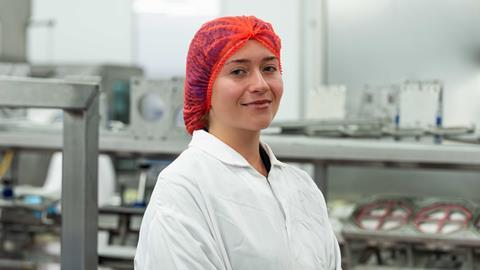
The mass exodus which came during Brexit and Covid means the food industry is still short of labour. An estimated 200,000 jobs are expected to be filled over the next decade, according to the Food & Drink Federation.
“Our sector needs a pipeline of technical skills in areas like engineering, digitalisation and decarbonisation that we require as advanced manufacturers,” said Balwinder Dhoot, the trade body’s director of sustainability and growth.
“It’s great to hear the prime minister’s commitment to supporting technical skills for young people and taking a regional approach.”
But the industry’s ongoing recruitment and retention problems will not simply be solved by a reformed education sector. That’s because many of the issues undermining the food industry’s recruitment are as much due to culture and perception as they are available expertise.
The perceptions and knowledge of young people are one of the biggest barriers to people entering food and farming, according to a report from Harper Adams earlier this year, which concluded: “agriculture and horticulture face an awareness problem, an attractiveness challenge and an access barrier”.
Ouch.
In farming, the sector facing perhaps one of the most acute labour shortages, the problems run even deeper. Dairy co-operative Arla says five in six farmers receive very few or zero applications for many job vacancies, with one in 10 now planning to leave farming altogether in the next 12 months if there is no improvement in labour.
It is not yet clear whether Burnham’s planned reforms will address farming at all, but they could certainly help other parts of the sector if enacted quickly enough to show young people a viable path into a potentially attractive and rewarding profession.
The biggest beneficiaries will likely be those lucky enough to be geographically grouped with other similar businesses and so seen as a key employer in the area. Local schools can tailor their schemes to favour their requirements. But what about those that are more isolated?
No scheme can ever be a silver bullet for any sector’s labour shortages, and it is too early to even judge whether this policy’s test case of Manchester was a success at all.
But after what is largely considered to be a successful first week in Downing Street, Burnham continues to tickle the fancy of food businesses desperate for a helping hand. He’s making the right signals. The much tricker task now will be showing he is different to the likes of Starmer, Johnson, and Hammond, and actually delivering on his promises.











No comments yet